
The 20 page report, Who’s responsible? Pension funds and respect for workers’ rights, can be read at https://goo.gl/WcPXUM, while its executive summary appears below.
Tom Powdrill explained: “The ITF applauds the widespread take up of responsible investment policies by pension funds. They’re a key form of social responsibility – and an implicit recognition that funds play a part in assisting workers both before and after retirement.
“Motivated by that we investigated how many of them were putting theory into practice and promoting workers’ rights. The results were surprising. Core labour standards are being upheld by two thirds of the 100 largest funds in Europe – but one third, many of them based in the key fund arena of the United Kingdom, are sitting on their hands.”
He concluded: “Another key finding was the power and prevalence of the ‘capital strike’: where funds respond to concerns about companies’ treatment of workers. We identified funds in this sample alone, representing the huge sum of EUR 2 trillion, who refuse to invest in Wal-Mart, while six funds, representing EUR 287 billion, won’t touch Rynanair.”
ITF president Paddy Crumlin commented: “Pension money is not gifted. It’s the hard earned product of hard work and industrial negotiation and is a deferment of wages that workers decide to make to secure a dignified and decent retirement. It has out to be put to work itself in a way that respects that source. It is only right that it helps build sustainable individual and collective futures, and that it does so ethically. It is morally inconceivable that it should be invested in companies that attack the rights of the very workers paying towards these pensions. This new research has identified much good practice, but it has also revealed a gap that the pension fund industry must move to close.”
Executive summary: Who’s responsible? Pension funds and respect for workers’ rights
Built up over decades, European pension funds represent an enormous pool of capital intended to provide a decent retirement for working people across the continent. The International Transport Workers’ Federation (ITF) believes that pension funds should support us while we are at work, as well as in our retirement, by adopting responsible investment (RI) policies that protect and promote workers’ rights.
To find out if our pension funds do back workers’ rights, we looked at the RI policies of 100 of the largest funds in Europe. We found that practice is good in places, but there are some obvious gaps.
Most pension fund policies in many countries – such as the Netherlands, Sweden and Denmark – do refer to international standards that include labour rights such as ILO (International Labour Organization) core conventions and the UN Global Compact. These funds represent EUR 2.68 trillion in assets, or 63 percent of the total.
However, almost a third of funds, representing nearly EUR 900 billion, make no reference to international standards. The UK is the clear outsider, accounting for two thirds of the funds in this group by number, and four fifths by assets (EUR 684 billion). This is particularly worrying given that the UK has the largest pool of retirement assets in Europe, and the second largest in the OECD.
Where pension funds take active steps to avoid companies that have been accused of not respecting workers’ rights the result can be a major ‘capital strike’. Almost a quarter of the funds in the sample, representing just over EUR 2 trillion, refuse to invest in Wal-Mart. Six funds, representing EUR 287 billion, have Ryanair on their exclusions list.
The ITF’s reports shows that many pension funds do have policy in place, therefore for these funds a focus on implementation is key, and unions should share information with them about problem companies. In countries like the UK, where pension funds do not typically refer to labour issues at all, a more immediate issue is introducing policies that support workers’ rights. The ITF will work with our colleagues in the labour movement on both of these challenges.
ENDS
Report author Tom Powdrill is available for interview. Please email dawson_sam@itf.org.uk to arrange.
Research probes responsible investment successes – and failure
ニュース
記者発表資料
現場の声
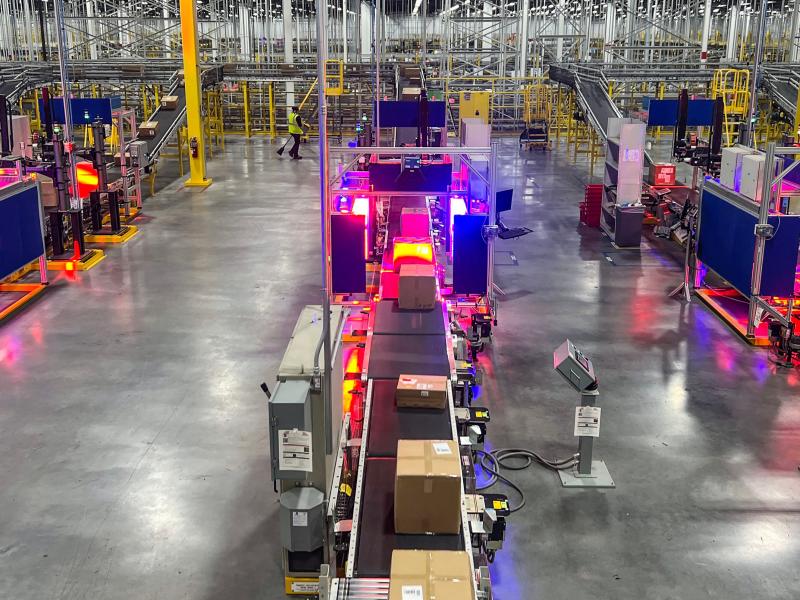
ニュース
記者発表資料
交運労組がAI活用の中核に労働者を据えるための世界的な原則を採択
世界の 1,660 万人以上の労働者を代表する交通運輸労組が、運輸分野における人工知能( AI )の利用を規定するグローバルな要求事項を採択した 本日、スリランカのコロンボで発表された『 主導権を握る:交通運輸労働者のための AI 原則 』は、 AI が交運労働者に影響を及ぼす場合、使用者、技術提供企業、政府が満たすべき条件を定めている。同原則は
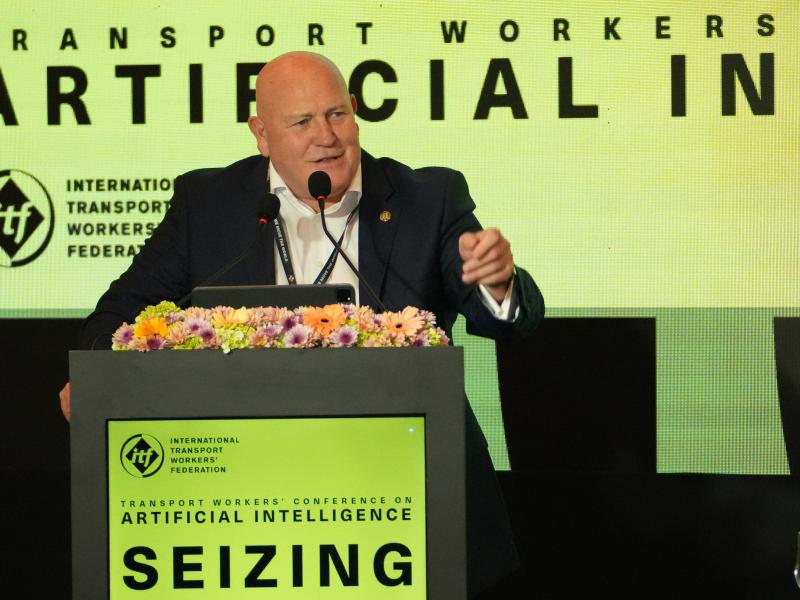
ニュース
記者発表資料
交運労働者、AIで主導権を握るためコロンボに 集結
世界中から何百万人もの交通運輸労働者を代表する労働組合が集結し、4日間の画期的な交通運輸労働者AI総会が開催される。総会の締めくくりにはITFの「グローバルAI原則」が発表される予定だ。 国際運輸労連(ITF)は本日、人工知能(AI)に関する初のグローバル会議を開幕する。世界中から労働組合の指導者、労使交渉担当者、青年交運労働者がスリランカのコロンボに集結し、現世代で最も急速に進む交通運輸の変革に
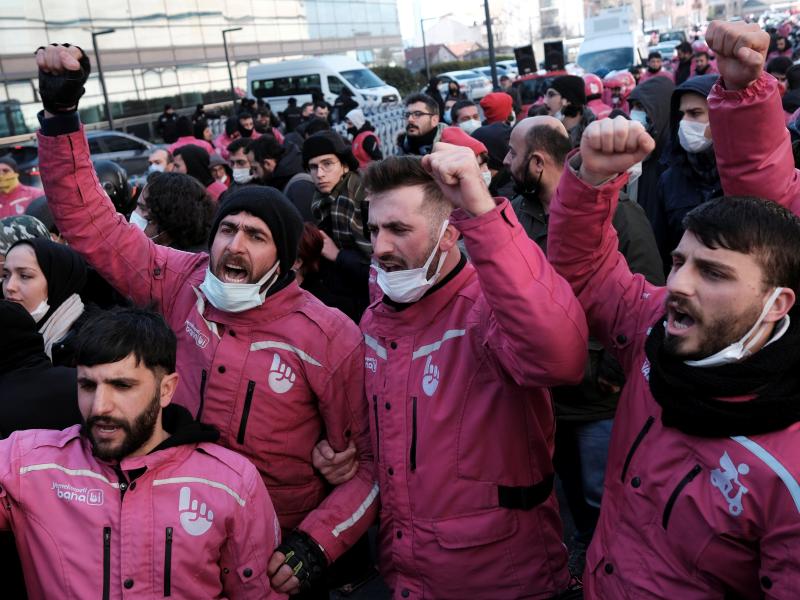
ニュース
世界は今、プラットフォーム労働を根本から変える機会に恵まれているー各国政府は結果を出すべき時
あと 2 週間余りで、世界中の労働者、使用者、政府がジュネーブの国際労働機関( ILO )に結集し、プラットフォーム労働の国際的な規制をめぐる交渉に最終決定を下すことになる。何百万人もの交通運輸労働者にとっては、この結果ですべてが変わる可能性がある。 昨年、ILO は歴史的な決定を下した。2025 年6 月に開催された第113 回ILO 総会において、構成員の圧倒的多数が