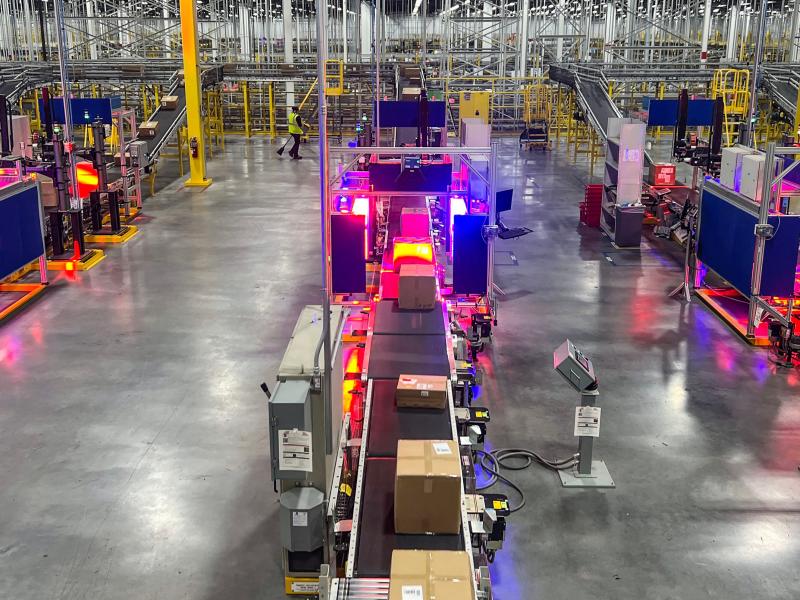
The ITF represents formal and informal workers in road, rail, shipping, ports, tourism, inland navigation, fisheries, aviation, airports, tourism, warehousing and urban transport.
Globalisation 4.0, the key theme of this year’s WEF, is already transforming the transport sector, and the ITF is acting to protect and prepare workers for the future of work.
For too many workers this future means the reappearance of practices more common in the past: precarious work, unsafe conditions and poverty wages. The ITF is calling on the multinational corporations at the top of global supply chains to take responsibility for the millions of workers their businesses affect.
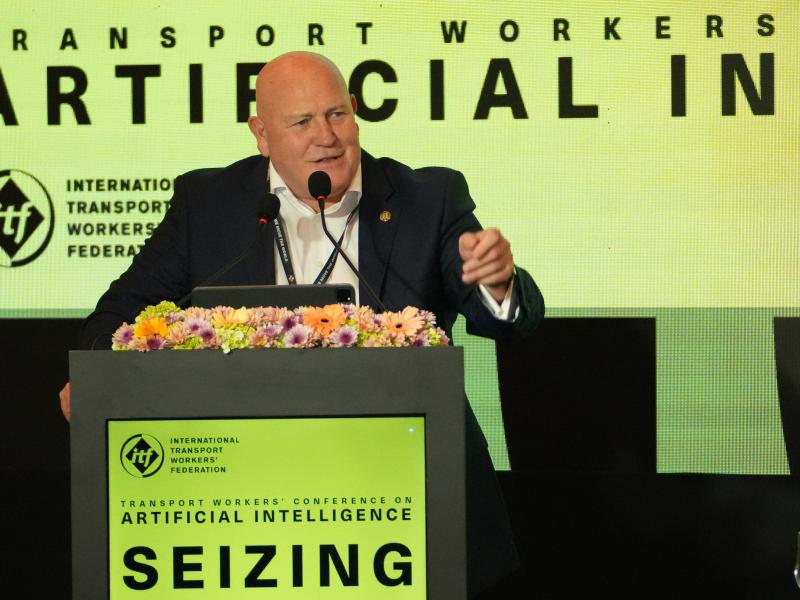
Mr Cotton will be available for interview in English during the World Economic Forum (WEF) meeting, 22-25 January 2019, Davos-Klosters, Switzerland.
Contacts: Heder Santana Santana_Heder@itf.org.uk
Andy Khan-Gordon khan-gordon_andy@itf.org.uk Tel: +44 7711 356 964
Key issues affecting transport workers that Mr Cotton will be raising at the WEF:
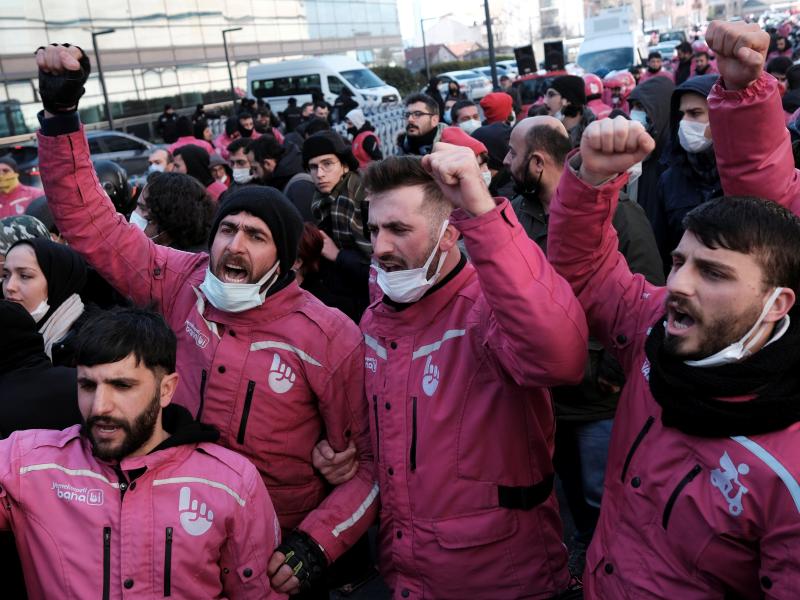
Inequality and nationalism are tipping the global economy and society into crisis. Trade wars threaten the livelihoods of workers. Attacks on labour rights have stopped unions giving workers a voice and a fair share. Angry citizens are taking to the streets to demand real change.
New technology and data are overtaking traditional transport systems, governments and regulation. We must govern tech; tech must not govern us. Workers, politicians and bosses must decide if new technology creates jobs and improves our lives. We demand a share of the profits made through exploiting our data.
Bad debt does not build good trade. China’s Belt & Road projects are being agreed behind closed doors, without consulting the people, creating a hidden debt crisis. Belt & Road is destabilising economies and threatening workers’ rights across Asia and Europe.
Climate change, migration and urbanisation will define our future. By 2030, annual passenger traffic will increase 50 percent and the number of cars on the road will double. We need a sustainable, democratic, well-funded mobility model for the 21st century. We need a People’s Public Transport model.
National maritime cabotage laws are the bedrock of the blue economy and decent work for seafarers. The blue economy is built on the link between sustainability, safety, job growth and labour rights. Liberalisation of cabotage is a major threat to the blue economy and international trade.
Multinationals at the top of supply chains are answerable for the exploitation that moves their goods. We need real supply chain responsibility for exploited workers. Only workers and unions offer the due diligence needed to end exploitation in supply chains.
We are calling for an ILO Convention on violence and harassment in work. Verbal and sexual harassment is a daily occurrence for millions of women working in transport. Unions are giving them the voice to demand the protection and safety they need.
Aviation is soaring, but wages and conditions are falling. Informal, subcontracted work is becoming the new normal in airports. Workers’ rights and passenger safety are the first casualty of this race to the bottom. Airlines have the power to change this.