Search
Mental health + psychosocial risk
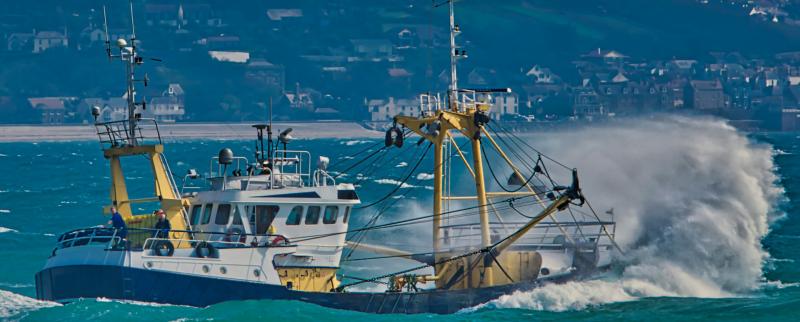
Mental health and psychosocial risks are widespread in fisheries and are closely linked to the systemic conditions of the work.
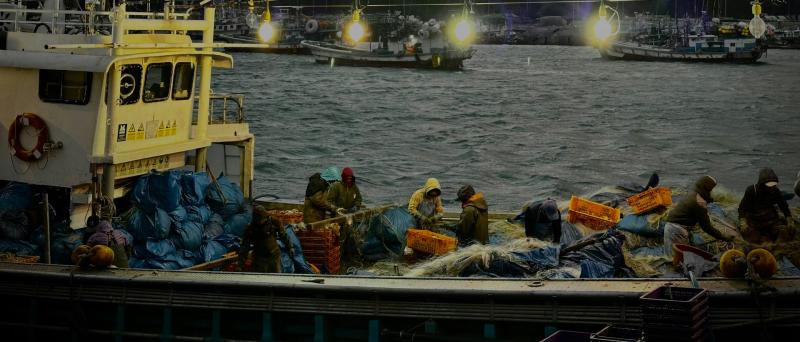
Fishers work in isolated, confined environments for extended periods, separated from family and support networks. Combined with long hours, fatigue, safety-critical
Climate-related risk
Climate change is reshaping systemic risks within the sector.
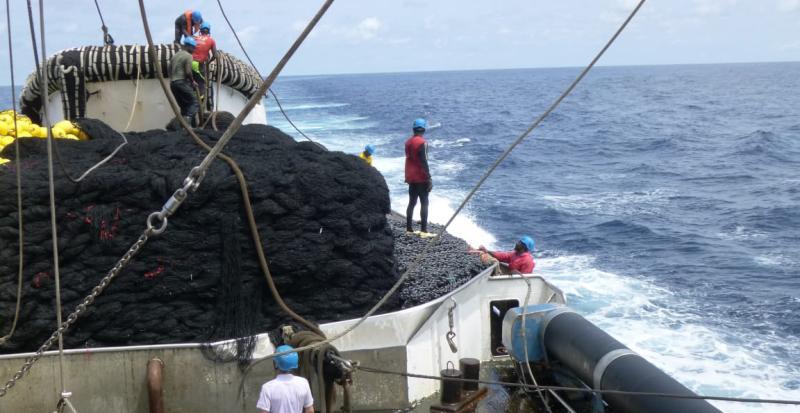
As fish stocks move or decline, vessels travel further from shore and remain at sea for longer periods, increasing worker isolation, extending exposure to hazardous conditions and heightening dependence on employers and vessel operators
Exposure to hazardous substances, biological risks
Exposure to fuels, lubricants, chemicals and refrigerants creates additional risks for fishers.
Biological hazards, including infectious disease, are compounded by prolonged periods at sea, crowded living conditions aboard and limited access to healthcare – a fisher who falls ill weeks from shore
Fatigue, working hours + work organisation
Long working hours, irregular work patterns, physically demanding tasks and pressure to maximise catches contribute to fatigue and reduced alertness, increasing the likelihood of accidents on a vessel where machinery, heavy loads and an unstable deck are already part of the dangerous working
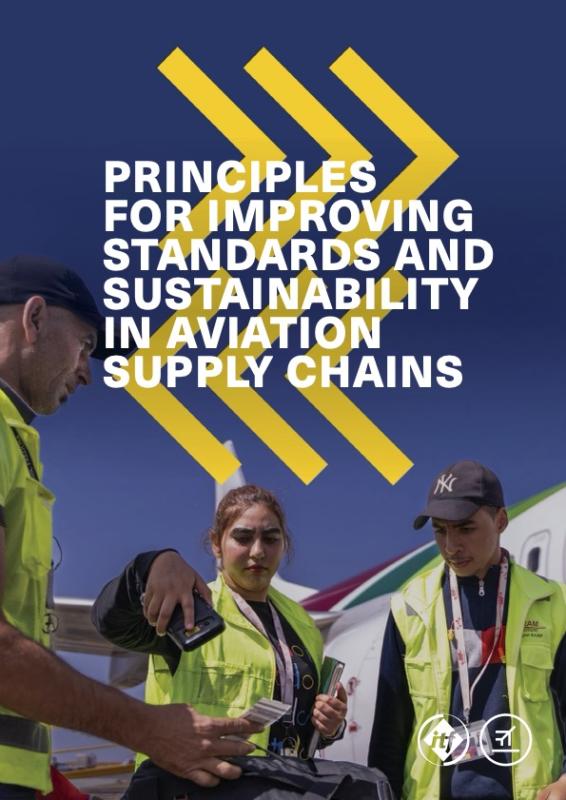
Principles for improving standards and sustainability in aviation supply chains
MENTAL HEALTH + PSYCHOSOCIAL RISK
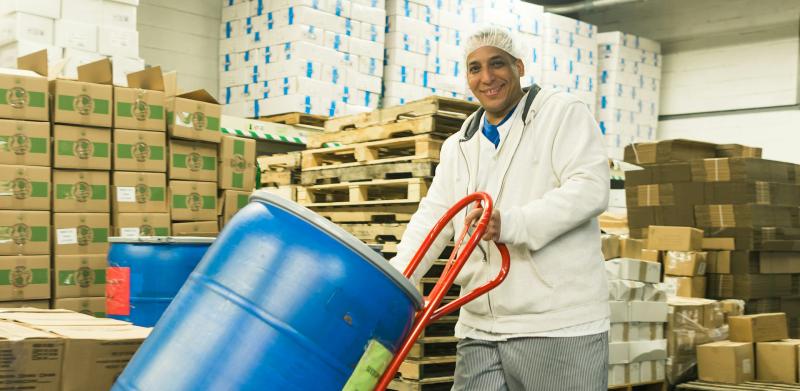
Warehouse work exposes workers to significant psychosocial risks. High productivity targets, constant monitoring and unpredictable schedules can create intense stress and pressure.
Workers report being treated as components of a logistics system rather than individuals with rights and dignity.
The
ERGONOMIC + DESIGN-RELATED RISKS IN VEHICLES AND WORKPLACES
Warehouse work involves repetitive movements, heavy lifting, awkward postures and prolonged standing.
Poor workplace design and inadequate ergonomic controls can lead to musculoskeletal disorders affecting the back, shoulders, wrists and knees.
Manual handling tasks such as lifting boxes, stacking
CLIMATE-RELATED RISK
Warehouse workers face increasing exposure to extreme temperatures and climate-related risks.
Uninsulated warehouses, loading docks and outdoor storage yards expose workers to temperature extremes and heat stress or cold stress depending on the climate and season.
Heat exposure is particularly
EXPOSURE TO HAZARDOUS SUBSTANCES, BIOLOGICAL RISKS + COMMUNICABLE DISEASE
Warehouse workers are exposed to hazardous substances, biological agents and communicable diseases depending on the goods handled and the working environment.
Risks arise from chemical products, cleaning agents, battery systems, fuel storage and damaged goods. In logistics environments handling food