
Explore
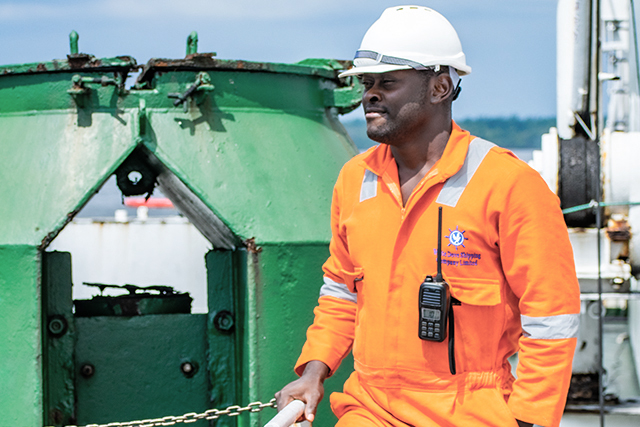
Structural Risk
Maritime transport is defined by structural factors that create significant human and labour rights risks.
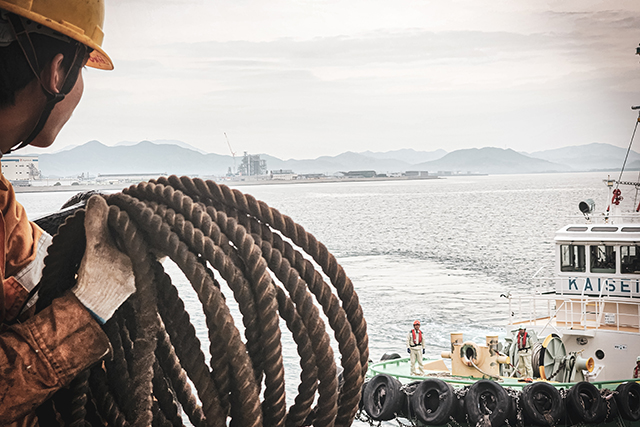
Occupational Safety and Health at Sea
Fatigue, unsafe manning levels, and limited access to medical care create serious safety risks for seafarers and vessels.

Forced Labour and exploitation
Isolation at sea, recruitment practices, and complex ownership structures can expose seafarers to severe exploitation and forced labour risks.

Discrimination
Discrimination remains a significant and structural risk for seafarers in maritime supply chains, undermining equal access to decent work.
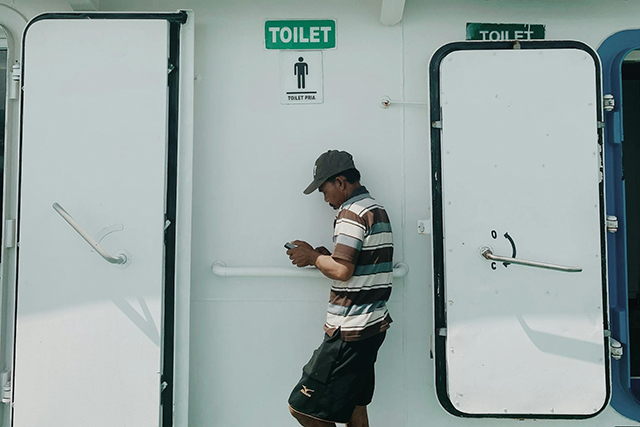
Sanitation
Access to safe, clean and adequate sanitation facilities is a fundamental human right and a core component of decent working and living conditions.

Violence + harrassment
Seafarers operate in isolated, confined and highly hierarchical environments, which can increase exposure to bullying, intimidation, physical violence and sexual harassment.
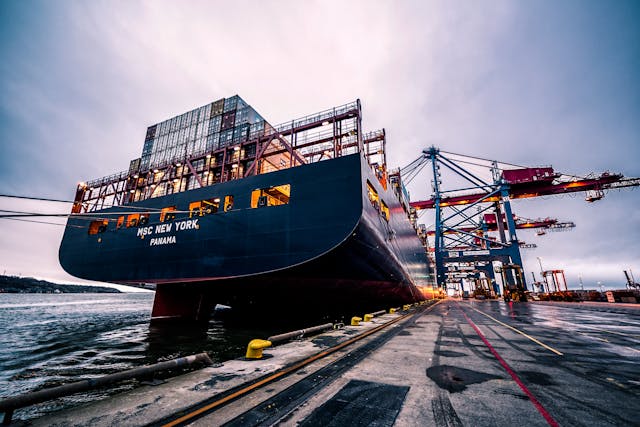
New technology
Automation and digitalisation can also lead to workforce reductions or changes in job roles, increasing workload and pressure on remaining crew.
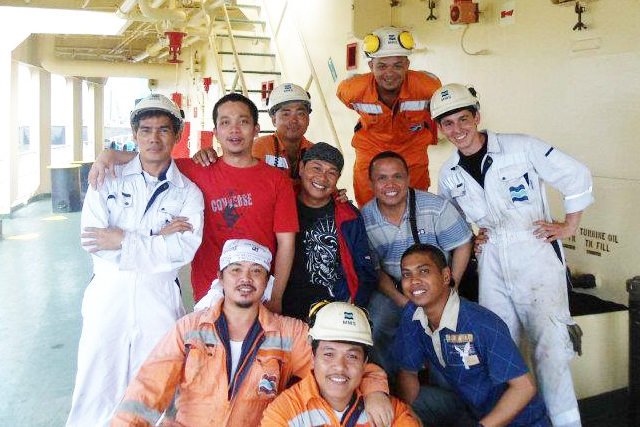
Freedom of Association + Collective Bargaining
Restrictions on freedom of association and collective bargaining are critical risks for seafarers and undermine the protection of all other labour rights at sea.
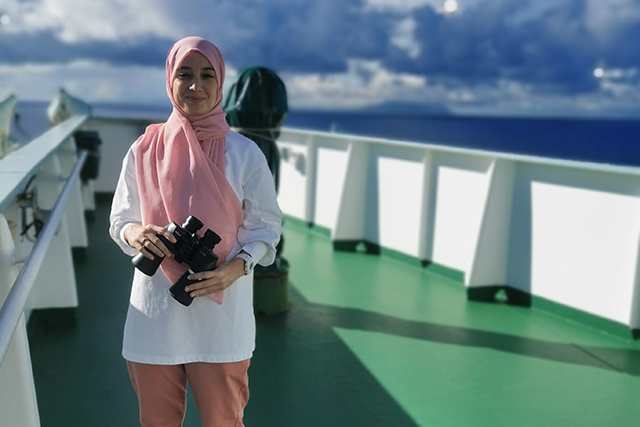
Wages, Working and Living Conditions
Despite international minimum wages being set relatively very low, shipowners or operators consistently attempt to underpay or withhold pay from seafarers for work already done.