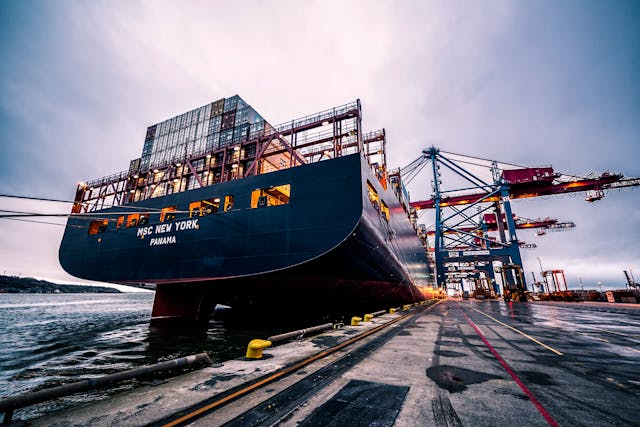
More than 80 percent of world trade is carried by sea. But shipping remains rife with human and labour rights risks and abuses: whether a company relies on bulk import or export, sourced raw materials or components, or container ships to distribute finished products, it must investigate how its goods move by sea.
The maritime industry’s complex web of actors – and a lack of awareness among those outside it – obscures where employer duties lie, evades accountability for breaches of seafarers’ rights and allows duty holders to disappear altogether. Risks are compounded by seafarers being uniquely exposed to exploitation due to the length of their contract, and living and working in an environment of isolation and confinement on board a ship under the control of their employer, shipowner or agent. ITF Inspectorate data provides unique, real-time insights into compliance with labour standards, wages, working conditions and other factors that directly impact seafarers' well-being.
Monitoring by authorities is only feasible when ships call at port. Port state authorities have legal duties under the ILO Maritime Labour Convention to check that seafarers living and working conditions meet the required labour standards – but they only have only have the short window in which a ship is docked for loading and discharge, and much of their attention goes to the mechanical and environmental safety of the vessel.