Maritime Shipping

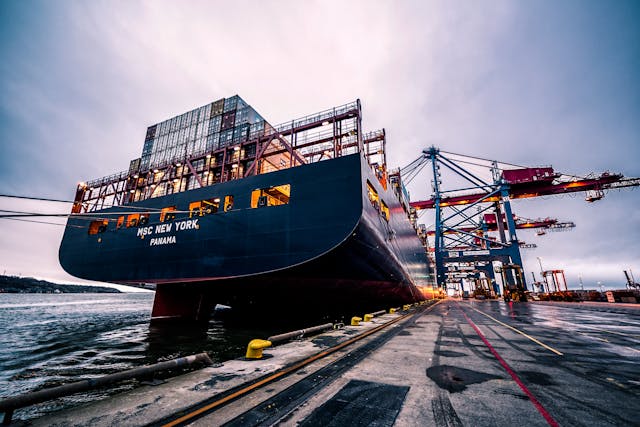
More than 80 percent of world trade is carried by sea. But shipping remains rife with human and labour rights risks and abuses: whether a company relies on bulk import or export, sourced raw materials or components, or container ships to distribute finished products, it must investigate how its goods move by sea. 

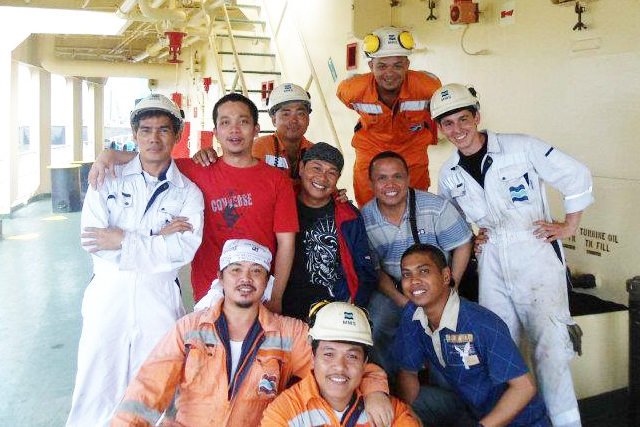
The maritime industry’s complex web of actors – and a lack of awareness among those outside it – obscures where employer duties lie, evades accountability for breaches of seafarers’ rights and allows duty holders to disappear altogether. Risks are compounded by seafarers being uniquely exposed to exploitation due to the length of their contract, and living and working in an environment of isolation and confinement on board a ship under the control of their employer, shipowner or agent. ITF Inspectorate data provides unique, real-time insights into compliance with labour standards, wages, working conditions and other factors that directly impact seafarers' well-being. 

Monitoring by authorities is only feasible when ships call at port. Port state authorities have legal duties under the ILO Maritime Labour Convention to check that seafarers living and working conditions meet the required labour standards – but they only have only have the short window in which a ship is docked for loading and discharge, and much of their attention goes to the mechanical and environmental safety of the vessel.
Explore
Systemic Risk
Maritime transport is defined by structural factors that create significant human and labour rights risks.
Occupational Safety and Health at Sea
Fatigue, unsafe manning levels, and limited access to medical care create serious safety risks for seafarers and vessels.
Forced Labour and exploitation
Isolation at sea, recruitment practices, and complex ownership structures can expose seafarers to severe exploitation and forced labour risks.
Discrimination
Discrimination remains a significant and structural risk for seafarers in maritime supply chains, undermining equal access to decent work.
Sanitation
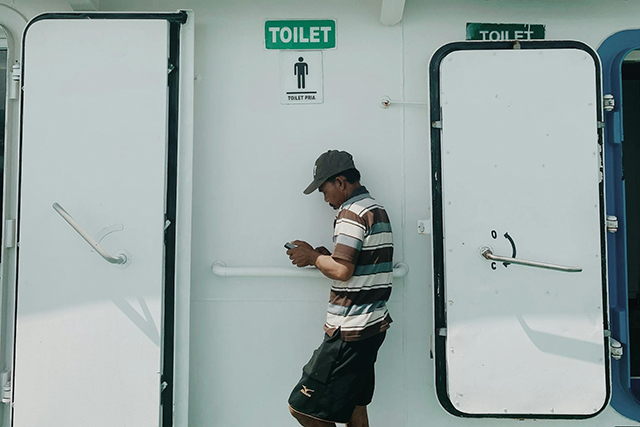
Access to safe, clean and adequate sanitation facilities is a fundamental human right and a core component of decent working and living conditions.
Violence + harrassment
Seafarers operate in isolated, confined and highly hierarchical environments, which can increase exposure to bullying, intimidation, physical violence and sexual harassment.
New technology
Automation and digitalisation can also lead to workforce reductions or changes in job roles, increasing workload and pressure on remaining crew.
Freedom of Association + Collective Bargaining
Restrictions on freedom of association and collective bargaining are critical risks for seafarers and undermine the protection of all other labour rights at sea.
Wages, Working and Living Conditions
Despite international minimum wages being set relatively very low, shipowners or operators consistently attempt to underpay or withhold pay from seafarers for work already done.