
President Obama withdrew the country’s eligibility for the African Growth and Opportunity Act (AGOA) last Thursday. Michael Froman, the US trade representative, explained that the decision was taken in light of Swaziland’s continuing labour rights abuses. AGOA status enables countries in sub-Saharan Africa to get duty-free access to the US market on thousands of products, making it cheaper to enter the USD 3 trillion import market.
The ITF has long campaigned for improved workers’ rights in Swaziland, most recently campaigning for the release of imprisoned union lawyer Basil Thwala. During a March 2014 visit to the country, ITF assistant general secretary Stuart Howard led a high-level mission to the country, which met with government representatives and US embassy officials. Howard said: “In March, we personally warned the government that its denial of union rights was likely to lead to its losing AGOA. They refused to listen. Now they're paying the consequences.”
While Thwala was released just days before the US Department of Trade was scheduled to review the AGOA agreement, unions including the ITF-affiliated Swaziland Transport & Allied Workers’ Union (STAWU) continue to face government harassment.
US axes Swazi trade deal over rights abuses
news
ON THE GROUND
news
Press Release
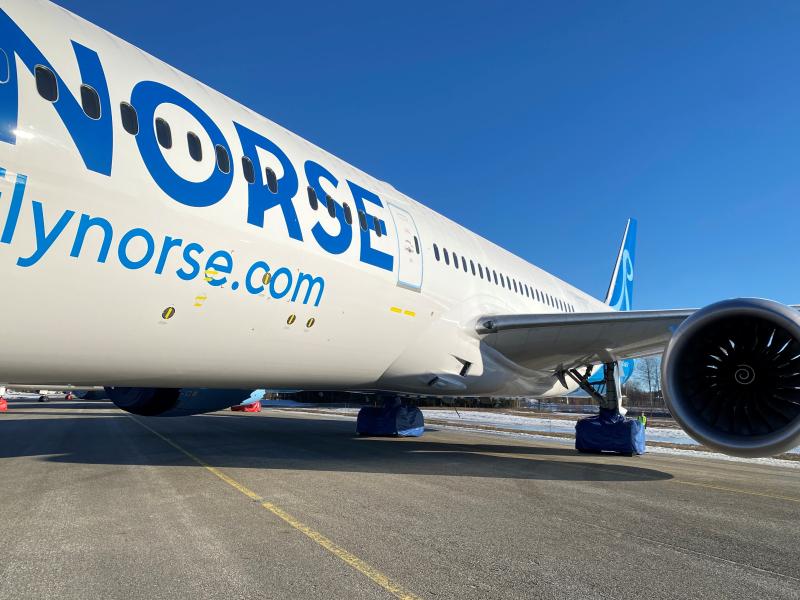
ITF: Norse Atlantic workers must not pay the price for war and fuel shocks
The ITF and affiliated unions mobilise support for Norse Atlantic Airways workers as airline fights for survival, and warn Norse may be the first of several airlines pushed into crisis as fuel hedges
news
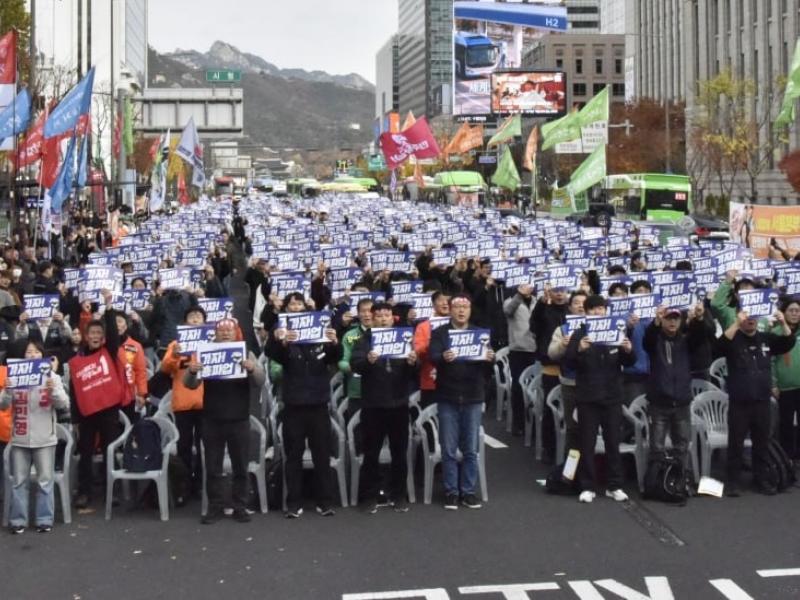
Seoul Metro workers reach agreement after last-minute negotiations
The commencement of an indefinite general strike on the Seoul Metro has been cancelled after last-minute negotiations between Seoul Metro management and ITF affiliate KPTU Seoul Metro Union. The
news
Press Release
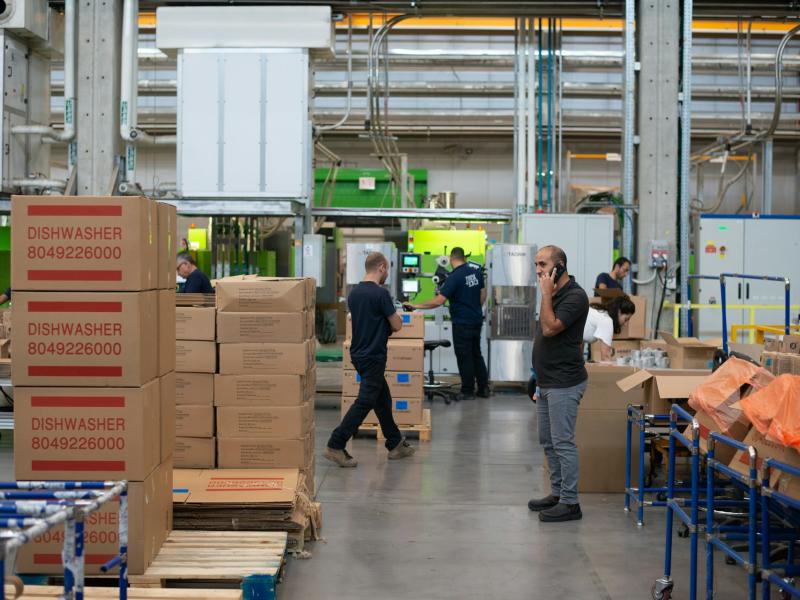
New ITF guidance puts transport workers at heart of supply chain due diligence
Responsible businesses aligning to HREDD can now access transport stakeholder engagement from ITF’s global network of workers and unions. Supply Chain Guidance on the human and labour rights risks