
Explore
Workers in warehouses and logistics operations may face risks linked to insecure employment, algorithmic management, occupational safety and health, and limited worker voice. Understanding these risks helps companies identify where human rights due diligence is needed to ensure safe, fair, and sustainable transport supply chains.
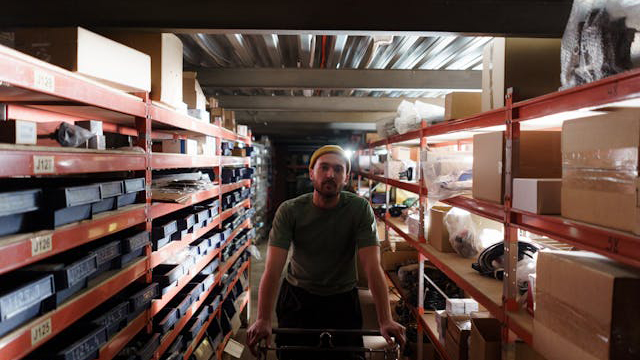
Structural Risk
Warehouse work is increasingly shaped by complex supply chains, where subcontracting, precarious employment and lone working create distinct risks for workers.
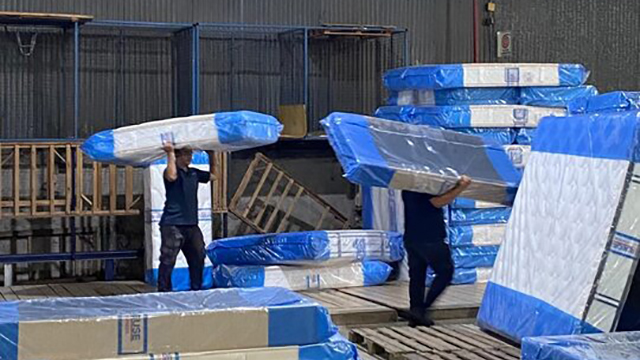
Occupational Safety + Health
High work intensity, repetitive tasks, and demanding productivity targets can increase the risk of injury and long-term health impacts.

Violence + harrassment
Warehouse workers may experience violence and harassment from supervisors, colleagues, security personnel or external actors such as delivery drivers or contractors.

Sanitation
Access to sanitation facilities is a fundamental requirement for safe and dignified work.

New Technology
Digital tracking systems and performance monitoring can intensify pressure when introduced without worker participation.

Discrimination
Warehouse work presents a range of discrimination-related risks linked to subcontracting, precarious employment and fragmented supply chains.

Forced Labour and Human Trafficking
Warehousing operations can be vulnerable to forced labour and human trafficking, particularly where migrant workers are recruited through labour agencies or cross-border recruitment systems.
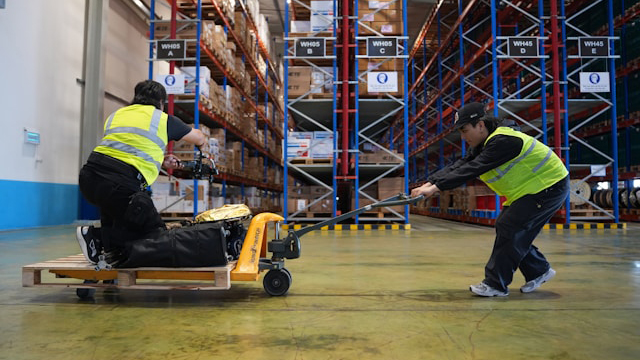
Freedom of association + collective bargaining
Where workers are not organised or unions are excluded, companies may lack reliable information about conditions on the ground.
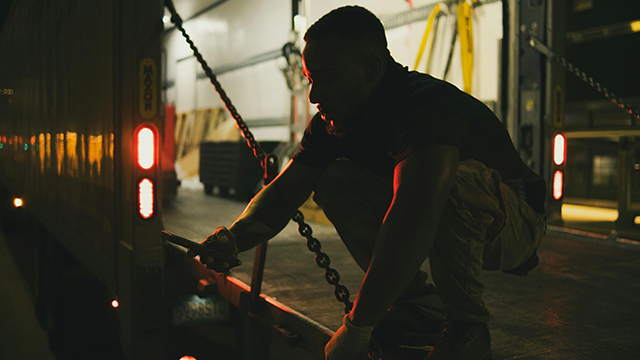
Wages, working + living conditions
Warehouse work is increasingly shaped by subcontracting, precarious employment and fragmented supply chains, which can create risks relating to wages, working conditions and living conditions.