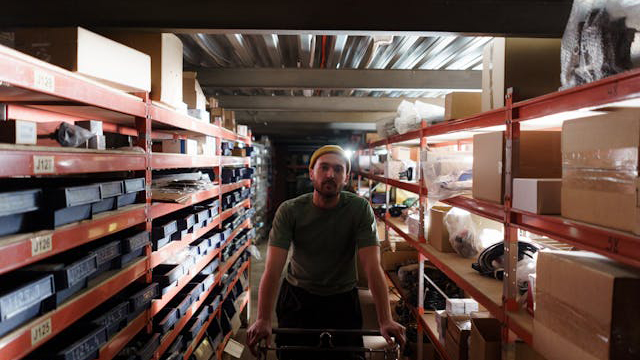
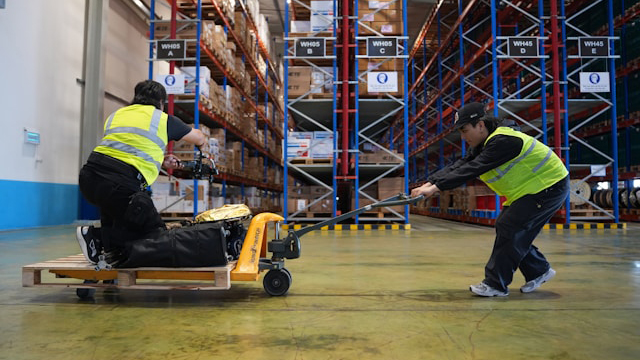
The ITF Warehousing Principles highlight a range of interconnected risks faced by warehouse workers, arising from how supply chains are structured and managed. A key area of concern is employment practices, where subcontracting, agency work and other non-standard arrangements can result in insecure jobs, unequal treatment and limited access to labour protections and social security.
Workers also face significant occupational safety and health risks, including manual handling injuries, accidents involving machinery and high work intensity driven by tight deadlines and productivity targets. These risks can be heightened where training and supervision are inconsistent across different categories of workers.
Wages and working conditions present further challenges, with low pay, irregular hours and unpredictable schedules affecting income stability and overall wellbeing. In fast-paced environments, pressure to meet targets can also impact rest, recovery and job quality.
Limited freedom of association and collective bargaining can make it harder to raise concerns or address problems, particularly in fragmented workplaces, reinforcing broader risks across warehouse supply chains.
Workers in warehouses and logistics operations may face risks linked to insecure employment, algorithmic management, occupational safety and health, and limited worker voice. Understanding these risks helps companies identify where human rights due diligence is needed to ensure safe, fair, and sustainable transport supply chains.