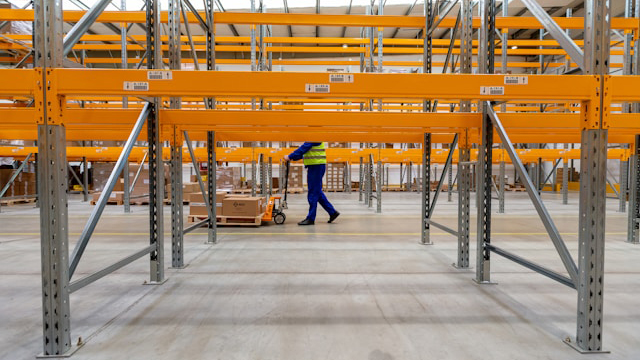
Warehouse operations present a range of occupational safety and health risks that are closely linked to subcontracting, precarious employment, and isolation and lone working. Fragmented contracting models obscure responsibility for safety standards, leading to inconsistent implementation of safety measures across sites and supply chains. Workers employed through agencies or short-term contracts receive less training, supervision or access to protective equipment, increasing the risk of accidents and injuries.
Precarious employment also discourages workers from reporting hazards or refusing unsafe work, particularly where job security is limited or performance targets are tightly enforced. The result are unsafe practices: excessive work intensity, poor manual handling and increased exposure to machinery-related risks.
Isolation, lone working and highly individualised tasks – often driven by digital monitoring systems – further heighten risks by reducing immediate access to assistance. Together, these factors undermine effective safety management, making it harder to prevent harm and ensure safe, healthy working environments.