
Companies and supply chain actors must ensure that their HRDD extends to all locations where transport work takes place or where workers are required to be as part of their duties.
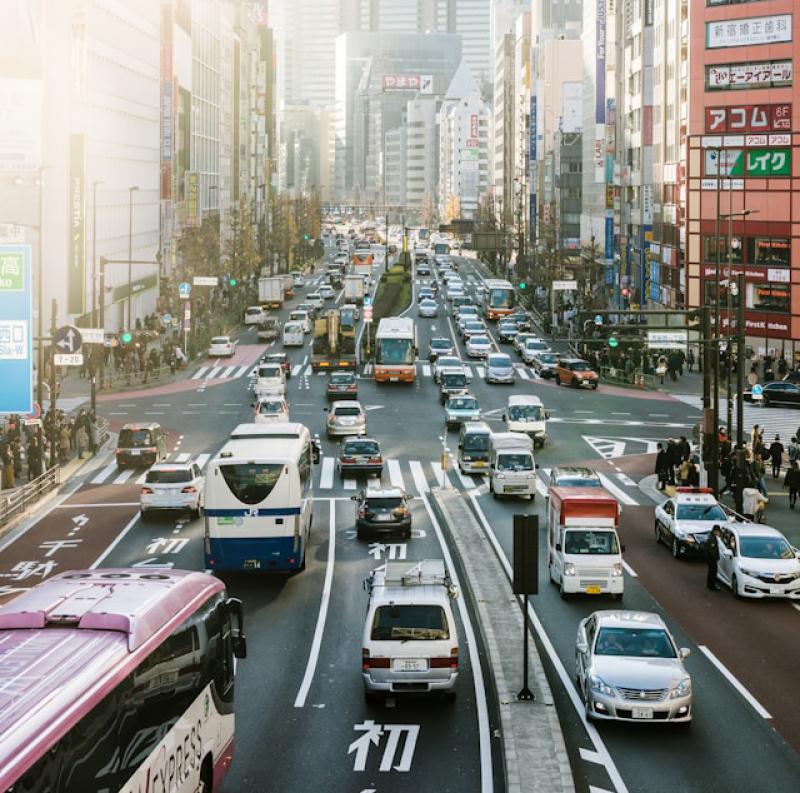
Therefore, within HRDD, the ‘workplace’ must be understood to include any environment a transport worker uses, accesses or passes through while working. This includes vehicles used in the course of work, fixed locations and operational facilities, public or shared workspaces, and routes or areas used as a means of access to or exit from that place of work. This also requires ensuring access to safe sanitation and rest facilities for those workplaces, regardless of location.
Cross-border transport workers should be recognised as mobile, migrant workers who often face heightened risks of exploitation, unsafe working conditions, discrimination and barriers to accessing protection or remedy due to differences in jurisdiction, immigration status and employment arrangements. Companies and supply chain actors must therefore actively identify and address these risks to ensure that workers receive the protections and support they require, and benefit from special measures taken by companies to conduct HRDD among migrant workers in their supply chain.