
Risks

Structural Risk
Structural risks in transport are driven by how work is organised – across mobile workplaces and fragmented subcontracting chains.
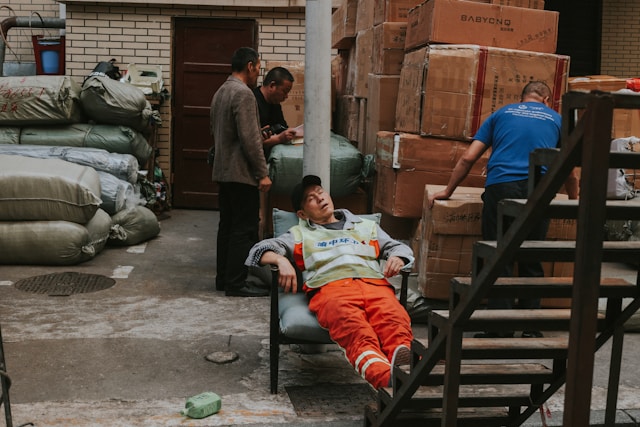
OSH Risks
Commercial pressure and unrealistic schedules can drive excessive hours and unsafe working conditions.

Sanitation
Access to safe and secure facilities is essential to worker health, dignity, and equality in transport.

Violence + Harrassment
A widespread risk across transport, shaped by public-facing work, isolation, and power imbalance

New Technology
Technology is changing how work is organised, supervised, controlled and performed across global supply chains.
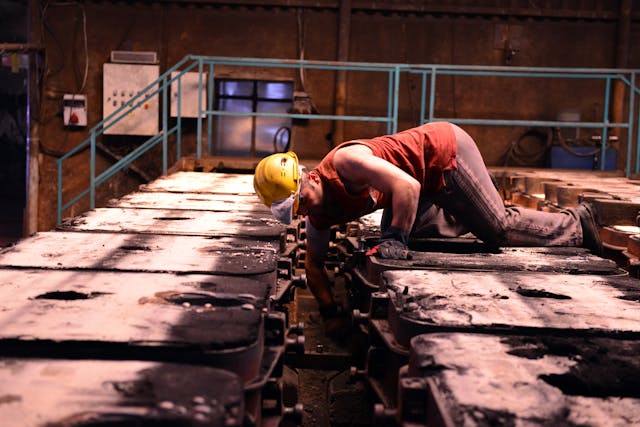
Discrimination
Fragmented employment arrangements weaken accountability and expose workers to greater risk.
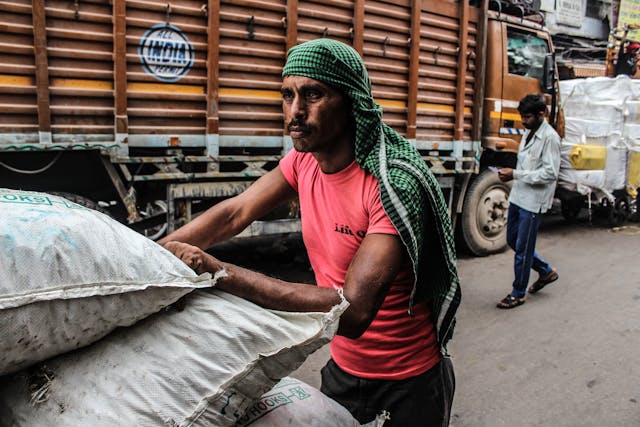
Forced Labour and Human Trafficking
Rising temperatures and severe weather are already reshaping working conditions in transport
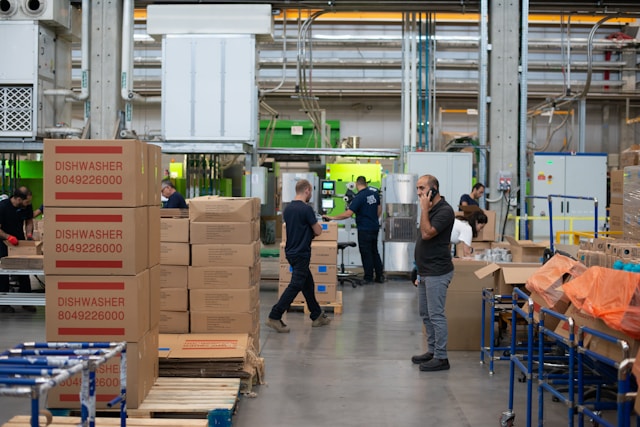
Freedom of Association + Collective Bargaining
Restrictions on freedom of association and collective bargaining are systemic risks across transport supply chains and undermine the realisation of all other labour rights.

Wages, Working and Living Conditions
Challenges with attracting and retaining workers across some transport sectors have become a persistent, long-term challenge for supply chains.