
Transport is a blind spot in supply chains – posing systemic, severe, hidden risks to the companies it serves.
Below are the key human and labour rights risks companies must identify and address across transport supply chains – and what effective HREDD requires in practice.
Risks

Systemic Risk
Systemic risks in transport are driven by how work is organised – across mobile workplaces and fragmented subcontracting chains.
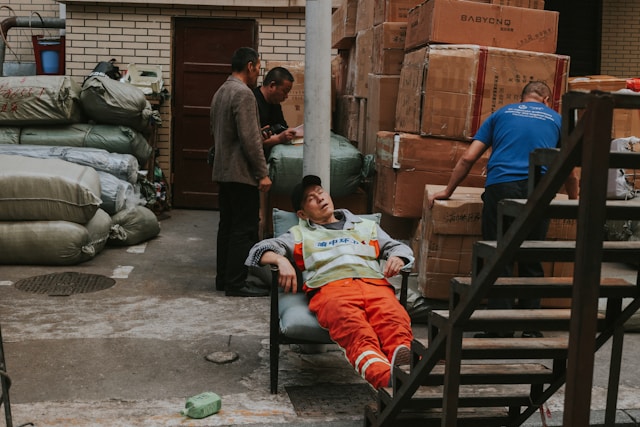
OSH Risks
Commercial pressure and unrealistic schedules can drive excessive hours and unsafe working conditions.

Wages, Working and Living Conditions
Challenges with attracting and retaining workers across some transport sectors have become a persistent, long-term challenge for supply chains.
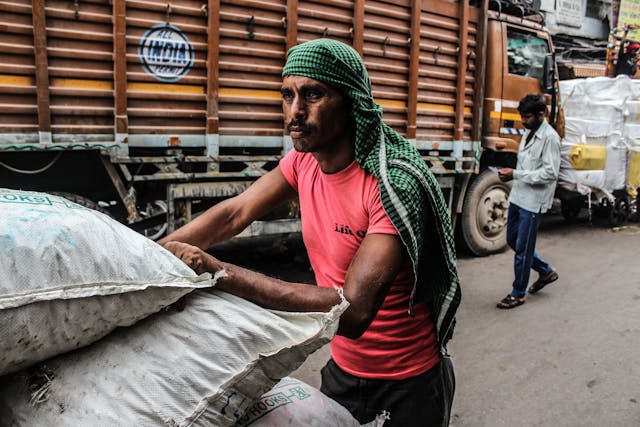
Forced Labour and Human Trafficking
Forced labour and human trafficking are among the most severe human and labour rights violations.
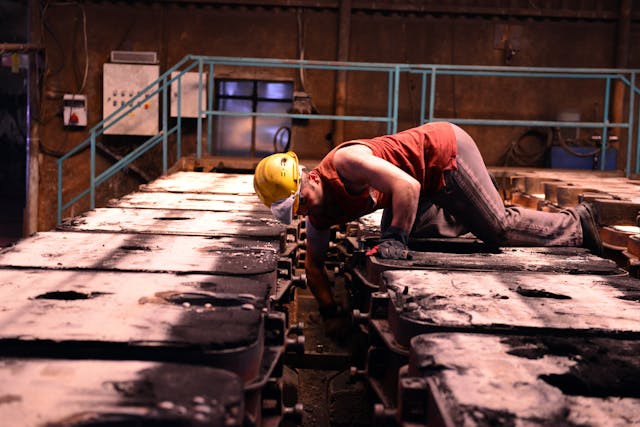
Discrimination
Fragmented, subcontracted and mobile work deepens discrimination across transport, limiting access to decent work, fair pay and equal opportunity.

Violence + Harassment
Mobile, isolated and public-facing work exposes transport workers, especially women, to violence and harassment that often goes unreported.

Sanitation
Access to safe and secure facilities is essential to worker health, dignity, and equality in transport.

New Technology
Imposed without workers and their unions, automation and AI are intensifying work, eroding rights and creating hidden safety risks across transport.
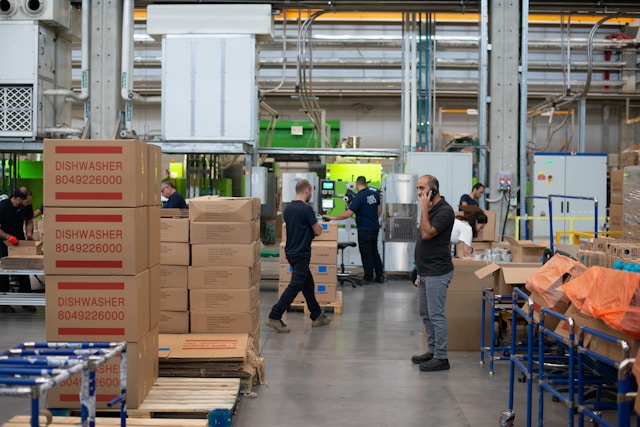
Freedom of Association + Collective Bargaining
Restrictions on freedom of association and collective bargaining are systemic risks across transport supply chains and undermine the realisation of all other labour rights.
GET THE GUIDANCE
Download the complete ITF supply chain guidance and the sector guides for transport buyers and suppliers.