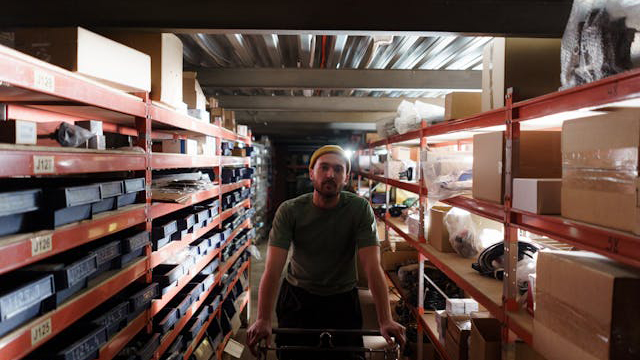
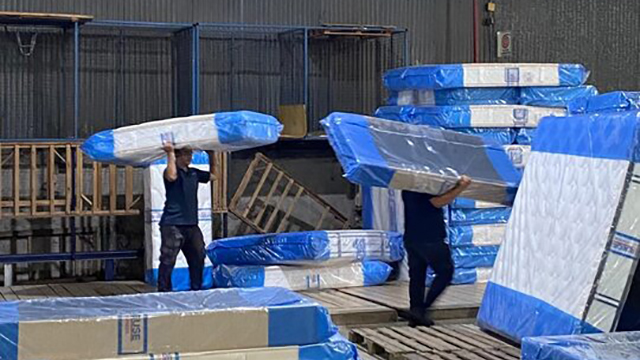
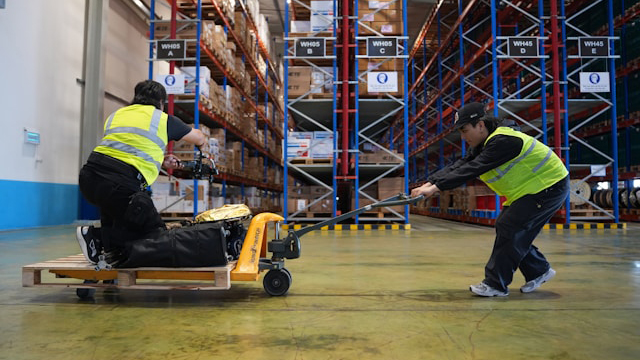
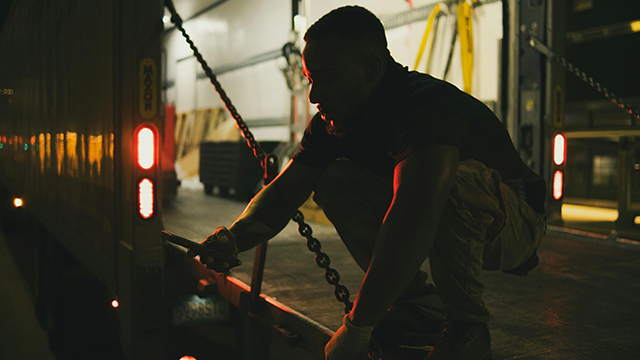
Warehouses are no longer long-term storage sites. They are fast-paced environments fundamental to global commerce, operating to meet the expectations of customers who want their products immediately – and the workers who keep them moving are too easily exploited, in work that is largely invisible to customers, policymakers, the public and to the companies whose goods pass through their hands every day
Until recently there were no internationally recognised standards for working conditions in warehouses or distribution centres. The ITF Warehousing Principles aim to fill that gap and are drawn from standards already in place across much of the transport supply chain.
The Principles highlight the interconnected risks that warehouse workers face that arise from how supply chains are structured and managed. Subcontracting, agency work and other non-standard arrangements can result in insecure jobs, unequal treatment and limited access to labour protections and social security. Workers face significant occupational safety and health risks – including manual handling injuries, accidents involving machinery and work intensity driven by tight deadlines and productivity targets – which are heightened where training and supervision differ between directly employed and agency staff doing identical work. Low pay, irregular hours and unpredictable schedules undermine income stability and wellbeing, and in fast-paced environments, pressure to meet targets can also impact rest, recovery, mental health and job quality. And limited freedom of association and collective bargaining make every one of these risks harder to raise or resolve, particularly in fragmented workplaces.
The pressure originates at the top of the supply chain. Fulfilment deadlines, cost-per-unit expectations and contract terms set by the companies buying warehousing services cascade into staffing levels and productivity targets on the floor. HREDD requires companies to identify and address root causes – and in warehousing those causes often sit in the buyer's own commercial terms.
Workers in warehouses and logistics operations may face risks linked to insecure employment, algorithmic management, occupational safety and health, and limited worker voice. Understanding these risks helps companies identify where human rights due diligence is needed to ensure safe, fair, and sustainable transport supply chains.