
Explore risks
These conditions can create significant risks — from fatigue and unsafe work organisation to violence, harassment, and insecure employment. Understanding how these risks arise in practice helps companies identify where responsibility lies and how worker-centred human rights due diligence can improve standards across road transport supply chains.
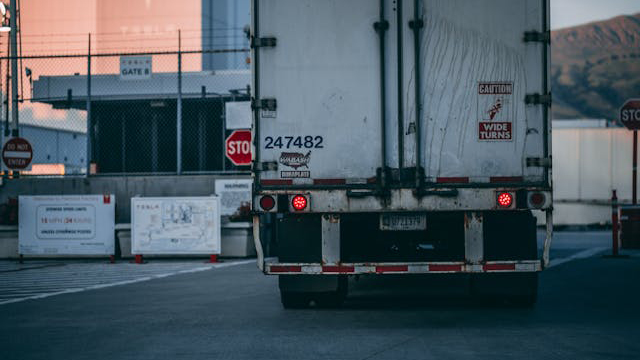
Structural Risks
Structural risks in transport are driven by how work is organised – across mobile workplaces and fragmented subcontracting chains.
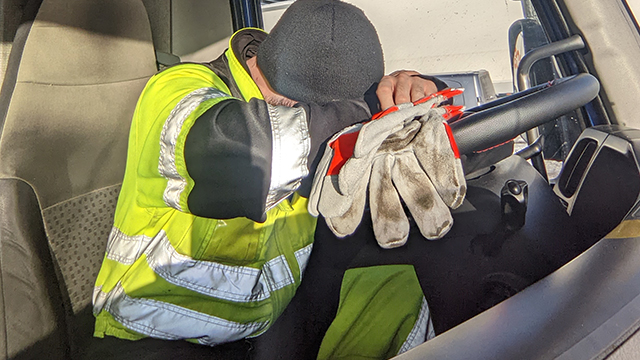
OSH Risks
Stress, fatigue and anxiety are common, particularly where drivers face unrealistic delivery schedules.
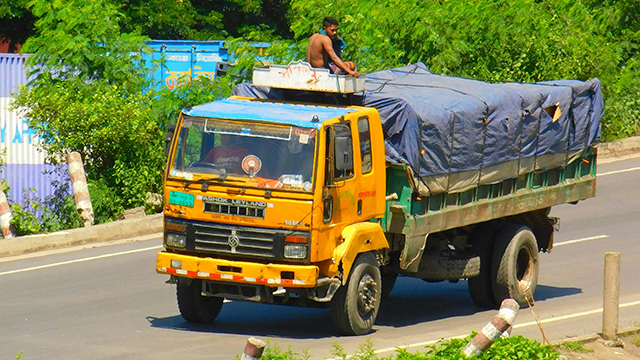
Wages, Working and Living Conditions
Layered contracting arrangements and dependent self-employment can weaken protections and obscure accountability for working conditions.
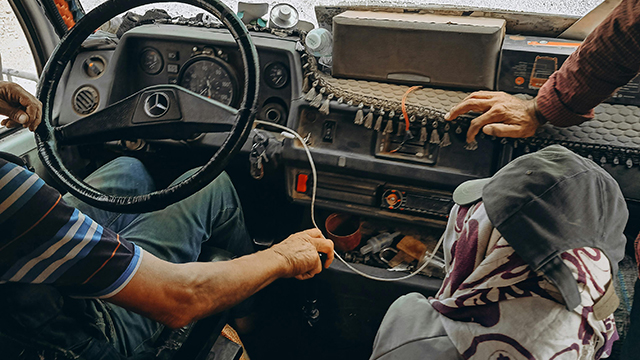
Forced Labour and Human Trafficking
Forced labour and human trafficking can originate from the way in which drivers are recruited, in particular migrant and third-country workers.
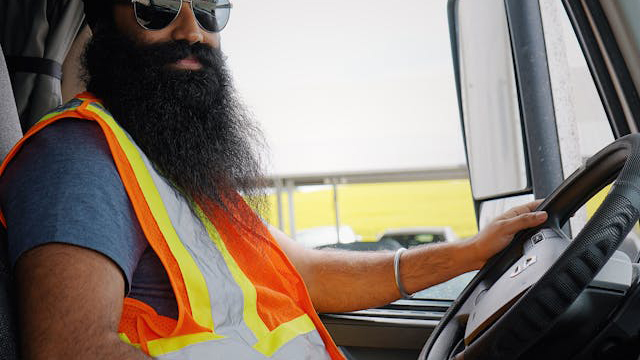
Discrimination
A structural risk that disproportionately affects migrant and third-country drivers in the sector

Violence + harassment
Truck drivers are often the target of criminal activity by third parties, including cargo theft and assault.
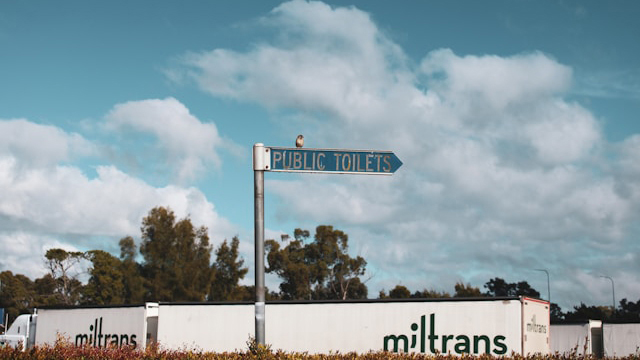
Sanitation
Limited access to safe rest areas, toilets, and basic facilities continues to undermine health, dignity, and equality in road transport.

New Technology
The rapid integration of algorithmic management and digital surveillance in the sector is creating a new level of human rights risks.
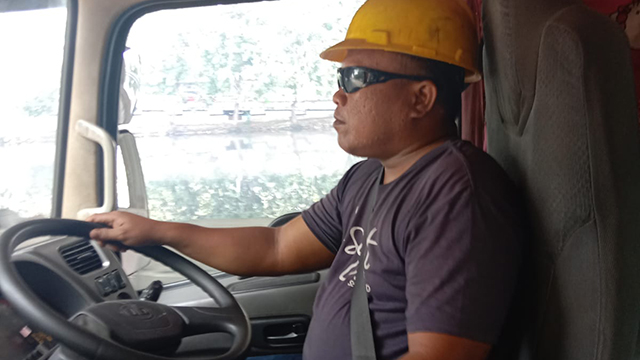
Freedom of Association Collective Bargaining
The sector's fragmented, mobile and cross-border nature is increasingly undermining freedom of association and collective bargaining.