Road freight transport is essential to global supply chains, but the sector faces ongoing human rights risks linked to its structure and operating model. Factors such as commercial pressure, fragmented contracting, deregulation and cross-border operations can make risks harder to identify through traditional audit approaches.
The widespread use of non-standard employment—such as subcontracting, self-employment and platform-based work—can limit access to labour protections, social security and stable income, particularly where drivers are economically dependent on a single client. Cost pressures, tight delivery schedules and competitive tendering can also contribute to long working hours and challenges in maintaining safe and fair working conditions.
These dynamics can affect job quality, workforce sustainability and diversity, with women and young workers remaining underrepresented. They also create legal, operational and reputational risks for companies across the supply chain, including those relying on road transport services.
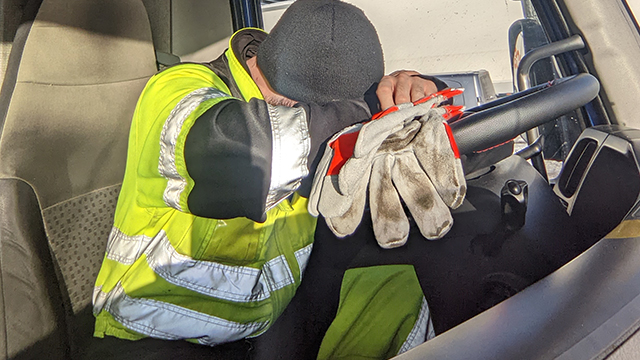
These conditions can create significant risks — from fatigue and unsafe work organisation to violence, harassment, and insecure employment. Understanding how these risks arise in practice helps companies identify where responsibility lies and how worker-centred human rights due diligence can improve standards across road transport supply chains.