
On 8 February, European leaders finally reached an agreement on the EU budget for the next seven years. With a cut of one third in the 32 billion EUR initially foreseen for transport infrastructure projects, transport does not appear to be considered a priority sector in the next budget.
However, the resulting budget of 23 billion EUR is a significant step forward compared to the 8 billion EUR that was set aside for the Trans-European Transport Networks (TEN-T) in the 2007-2013 period, an amount which Member States have fully taken up according to the latest Commission data. But at the same time, the substantial cut that was made last week compared to the initial 32 billion will seriously affect the implementation of the transport infrastructure plan the Commission has been developing over the last three years, in close co-operation with Member States and stakeholders.
In a first common reaction to this result, European transport organisations EFIP, ESPO, INE, IRU, PDI, ECG, ECSA, ETF, ECASBA, ACI Europe and CER say:
“We are satisfied that the transport infrastructure envelope has increased, compared to the current multi-annual budget. Nonetheless, it is a missed opportunity for European leaders to cut a growth-stimulating sector. Last week, European President Van Rompuy said the budget must be an engine for growth and jobs in the future. It is high time for national governments and their leaders to realise that transport is the engine of the European economy. If people and goods cannot move efficiently, growth and economic development are constrained. In our view, transport therefore deserves more than a mere 2.4% share of the total budget.”
Even if European transport organisations EFIP, ESPO, INE, IRU, PDI, ECG, ECSA, ETF, ECASBA ACI Europe and CER remain critical about the deal, they believe it is important that the new EU budget plan for 2014-2020 is adopted soon.
“Realistically, the TEN-T core network and the already defined projects of the ten multimodal corridors cannot be fully implemented with such a small envelope. It means that the robust methodology developed by the European Commission to select projects that are essential to the European transport network cannot be applied. A first come, first serve basis will prevail over the network logic that the internal market so desperately needs. We therefore call on Member States to engage with the European Parliament to make this budget more growth-oriented. In addition, we fully support Parliament’s plea to have a mid-term review in a few years as a way to assess potential reallocations of the budget towards growth-generating sectors like transport. In a similar vein, we agree that certain flexibility within budget allocations would benefit its overall effectiveness. Last but not least, a swift agreement on the EU budget will allow for progressing with implementing the new transport infrastructure plan, as outlined in the TEN-T and CEF regulations.”
Since last spring, 28 European Transport organisations have been continuously campaigning for a solid transport infrastructure budget. This campaign kicked off with an open letter that was send to all European policy makers, national governments and interested parties.
European Federation of Inland Ports (EFIP) - European Sea Ports Organisation (ESPO) - Inland Navigation Europe (INE) - International Road Transport Union (IRU) - Pro Danube International (PDI) - The Association of European Vehicle Logistics (ECG) - European Community Shipowners’ Associations (ECSA) - European Transport Workers’ Federation (ETF) - European Community Association of Ship Brokers and Agents (ECASBA) - Airports Council International Europe (ACI Europe) - Community of European Railway and Infrastructure Companies (CER)
For further information, please contact ETF Political Secretary, Myriam Chaffart (m.chaffart@etf-europe.org; +32(0)475 34 36 51)
FIRST REACTION OF EUROPEAN TRANSPORT SECTOR TO THE EU BUDGET DEAL: A
ニュース
記者発表資料
現場の声
ニュース
記者発表資料
交運労組がAI活用の中核に労働者を据えるための世界的な原則を採択
世界の 1,660 万人以上の労働者を代表する交通運輸労組が、運輸分野における人工知能( AI )の利用を規定するグローバルな要求事項を採択した 本日、スリランカのコロンボで発表された『 主導権を握る:交通運輸労働者のための AI 原則 』は、 AI が交運労働者に影響を及ぼす場合、使用者、技術提供企業、政府が満たすべき条件を定めている。同原則は
ニュース
記者発表資料
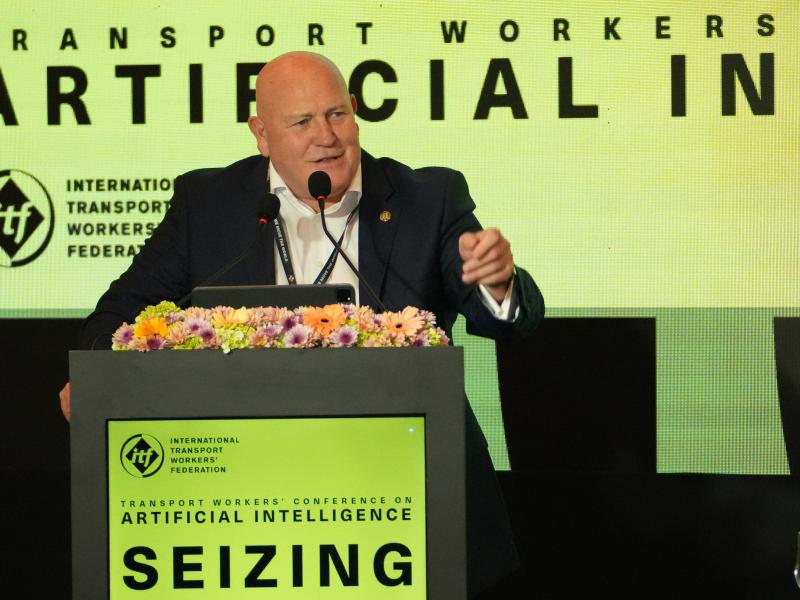
交運労働者、AIで主導権を握るためコロンボに 集結
世界中から何百万人もの交通運輸労働者を代表する労働組合が集結し、4日間の画期的な交通運輸労働者AI総会が開催される。総会の締めくくりにはITFの「グローバルAI原則」が発表される予定だ。 国際運輸労連(ITF)は本日、人工知能(AI)に関する初のグローバル会議を開幕する。世界中から労働組合の指導者、労使交渉担当者、青年交運労働者がスリランカのコロンボに集結し、現世代で最も急速に進む交通運輸の変革に
ニュース
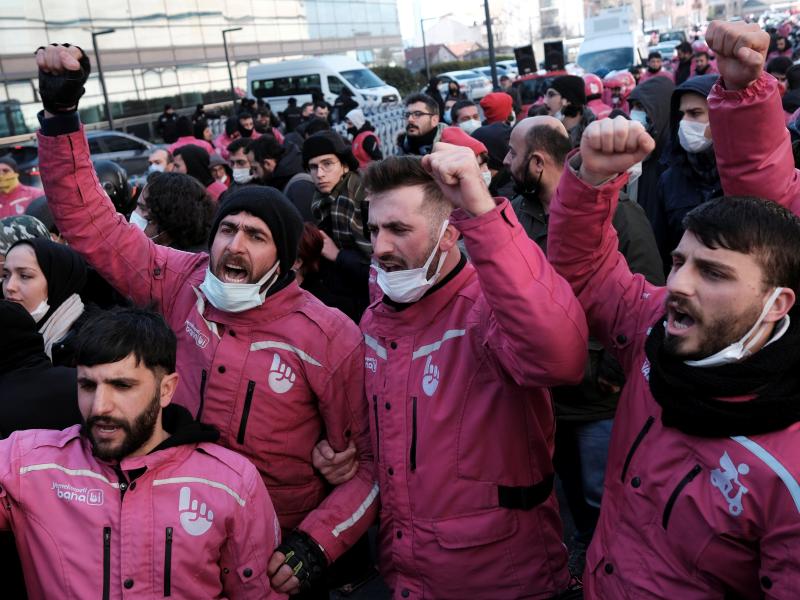
世界は今、プラットフォーム労働を根本から変える機会に恵まれているー各国政府は結果を出すべき時
あと 2 週間余りで、世界中の労働者、使用者、政府がジュネーブの国際労働機関( ILO )に結集し、プラットフォーム労働の国際的な規制をめぐる交渉に最終決定を下すことになる。何百万人もの交通運輸労働者にとっては、この結果ですべてが変わる可能性がある。 昨年、ILO は歴史的な決定を下した。2025 年6 月に開催された第113 回ILO 総会において、構成員の圧倒的多数が