
The ITF has welcomed a settlement that has resulted in an end to indefinite strike action by its affiliate the Korean Railway Workers’ Union (KRWU), but has warned of the need for continued vigilance.
The strikers returned to work on 31 December 2013 following 23 days on strike, after an agreement was reached with ruling and opposition national assembly members. The agreement, made on 29 December, allows the KRWU to participate in an advisory capacity on a newly created ‘Sub-committee on the development of the rail industry’ under the Korean National Assembly Committee on Land, Infrastructure and Transport.
In a statement announcing the agreement (given in full below) the KRWU and its parent federation, the Korean Federation of Public Services and Transportation Workers’ Unions (KPTU) thanked unions worldwide for their solidarity action and acknowledged the mass support from Koreans from all walks of life. They also called on the international labour movement to remain vigilant in response to continued repression against the KRWU leadership and union members. They warned that: “It is clear that the government’s attack has grown to one against the entire labor movement”. Korea’s national trade union centre the KCTU, which was raided on 22 December, has called for simultaneous protests in Korea on 4 January 2014 and a second and third general strike on 9 January and 16 January in response to these attacks.
ITF president Paddy Crumlin said: “The mass mobilisation of trade unionists and the moral and practical support given by ordinary women and men in Korea shows the privatisation of the railways and other public services will not be taken lying down.”
He continued: “The international solidarity action by ITF affiliates and trade unionists globally – from e-protests to the day of action on December 10 which saw protests at Korean embassies and consulates worldwide – sent a strong message to the Korean government. We also sent two international missions during the strike to support KRWU members. Together we have applied pressure on the government to work with, and not against, unions.
“We welcome this first step towards dialogue between the government and the unions, and condemn these attacks on rail workers and their unions. The government of Korea must now respect the agreement made by entering into dialogue in good faith and ceasing the repression of trade unionists.”
ITF acting general secretary Steve Cotton commented: “We hear from the KRWU that 490 of their members are at risk of dismissal and thousands are likely to be punished for taking part in the strike. There are still arrest warrants against KRWU leaders, and a damages suit against the KRWU in excess of KRW7.7 billion is still outstanding. Korean railway workers have experienced the support of thousands of activists worldwide who mobilised to support them and their fellow workers. The international labour movement will continue to monitor the situation closely, in particular the continued repression of trade unionists. We urge the government to stop these utterly unacceptable attacks and are on standby to support our Korean brothers and sisters.”
For more details of the strike action and the international support see /en/campaigns-solidarity/campaigns/korean-railway-workers-strike-2013/ENDS
KRWU KPTU joint statement
1 January 2014
Message to the International Labor Movement Concerning the Conclusion of the KRWU Strike
Dear brothers and sisters in the international labor movement,
I write to you to announce the conclusion of the Korean Railway Workers’ Union’s (KRWU’s) 23-day long strike against rail privatization and to thank you wholeheartedly for your support and solidarity.
In the early morning of 30 December, the KRWU reached an agreement with ruling and opposition national assembly members to establish a ‘Subcommittee on the Development of the Rail Industry’ under the National Assembly Committee on Land, Infrastructure and Transport. This subcommittee will have a multi-stakeholder advisory board in which the KRWU will participate.
Following the agreement reached, the KRWU, supported by its federation the Korean Federation of Public Services and Transportation Workers’ Unions (KPTU) and national center the Korean Confederation of Trade Unions (KCTU), decided to end the strike and prepare for the next phase of the struggle. Members returned to work at 11:00am on 31 December.
Despite striking for 23 days, we were unable achieve our central goal of stopping the Korean government from establishing and licensing a stock company to run the new Suseo KTX line. The government rushed through this process in a manner that was cowardly and legally questionable. The KRWU has filed a suit for the cancellation of the Suseo KTX company’s operating license.
Nonetheless, the successes of this struggle have been tremendous. Through the strike, the struggle against rail privatization became a struggle of the whole Korean labor movement as demonstrated by KCTU’s general strike on December 28 and the solidarity actions by other KPTU and KCTU affiliates.
The strike received deep and widespread support among Koreans from all walks of life. Beyond simply sending moral support, average Korean citizens actively participated in our struggle by sending financial and material contributions, posting hand-written signs with the slogan “I am not fine!” around the country, making their opposition heard through social media and coming out in mass to strike protests. This massive public support is an important foundation for the continued struggle against privatization of the railway and other public services.
International solidarity was also a vital part of the strike. Close to 15,000 people signed on to a Labourstart campaign calling on the Korean government and employer to respect railway workers’ right to strike. Countless affiliates of the ITF and other unions abroad send protest letters to the government and employer at several points throughout the strike.
In addition to these actions, the ITF international day of action on December 10 and continued protests at Korean embassies after the raid on the KCTU office on December 22 demonstrated the global significance of the struggle in Korea. The presence of the two ITF missions in Korea during the strike provided tremendous support to our members, enabling them to persist in the strike as long as they did. They also helped us stress the importance of social dialogue on rail policy to the Korean government and public.
To all those in the international labor movement who supported us, and particularly to the ITF and its affiliates, we send our deepest gratitude.
While the strike has ended, our struggle must continue. The national assembly subcommittee will be a tool in the political fight against privatization, but action on the ground is essential given the obstinacy of the Park Geun-hye administration.
More immediately, the repression against the KRWU has not disappeared. Dismissal of some 490 members and other forms of disciplinary measures for many more are predicted. The KRWU leadership is still wanted for arrest and the suit for damages against the union and its leadership worth over 7.7 billion won is still outstanding. Moreover, with the raid on the KCTU office last December 22, it is clear that the government’s attack has grown to one against the entire labor movement.
Support from the international community will be all the more important at this juncture. The KCTU has called for simultaneous protests around the country on January 4 and a second and third general strike on January 9 and January 16. We ask members of the international labor movement to organize protests at Korean embassies in timing with these dates to demand the withdrawal of criminal charges, the damage suit, dismissals and disciplinary measures against the KRWU, and end to labor repression in Korea, and an end to the unilateral pursuit of privatization.
In addition, the KRWU plans to work with the ITF to raise the issue of labor rights violations against strike participants at the ILO and OECD. In these actions cooperation with the ITUC will also be essential. We will continue to report on the situation here and discuss other forms of solidarity that may be needed.
Once again, thank you for your outpouring of support and solidarity. With continued cooperation we will be able to stop labor repression and privatization in Korea and build a global movement for quality public transport and labor rights.
With wishes for a powerful New Year,
LEE, Sang Moo
President, KPTU
KIM, Myoung hwan
President, KRWU
ITF statement on the end of the Korea rail strike
ニュース
記者発表資料
現場の声
ニュース
記者発表資料
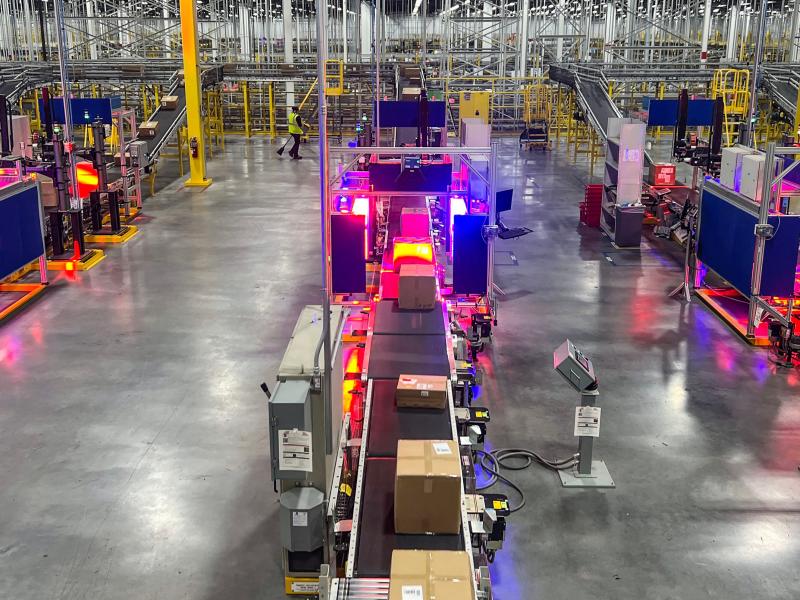
交運労組がAI活用の中核に労働者を据えるための世界的な原則を採択
世界の 1,660 万人以上の労働者を代表する交通運輸労組が、運輸分野における人工知能( AI )の利用を規定するグローバルな要求事項を採択した 本日、スリランカのコロンボで発表された『 主導権を握る:交通運輸労働者のための AI 原則 』は、 AI が交運労働者に影響を及ぼす場合、使用者、技術提供企業、政府が満たすべき条件を定めている。同原則は
ニュース
記者発表資料
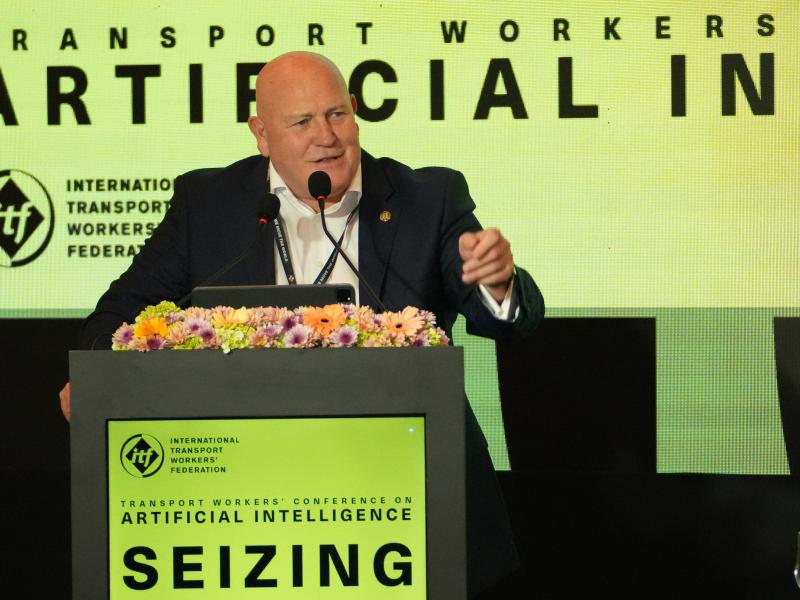
交運労働者、AIで主導権を握るためコロンボに 集結
世界中から何百万人もの交通運輸労働者を代表する労働組合が集結し、4日間の画期的な交通運輸労働者AI総会が開催される。総会の締めくくりにはITFの「グローバルAI原則」が発表される予定だ。 国際運輸労連(ITF)は本日、人工知能(AI)に関する初のグローバル会議を開幕する。世界中から労働組合の指導者、労使交渉担当者、青年交運労働者がスリランカのコロンボに集結し、現世代で最も急速に進む交通運輸の変革に
ニュース
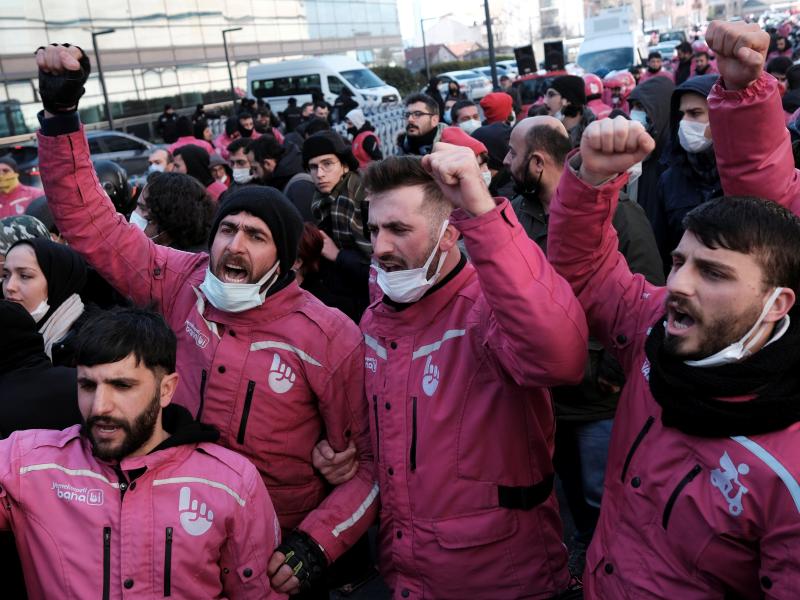
世界は今、プラットフォーム労働を根本から変える機会に恵まれているー各国政府は結果を出すべき時
あと 2 週間余りで、世界中の労働者、使用者、政府がジュネーブの国際労働機関( ILO )に結集し、プラットフォーム労働の国際的な規制をめぐる交渉に最終決定を下すことになる。何百万人もの交通運輸労働者にとっては、この結果ですべてが変わる可能性がある。 昨年、ILO は歴史的な決定を下した。2025 年6 月に開催された第113 回ILO 総会において、構成員の圧倒的多数が