Delegates organising in strategic locations heard from a panel of logistics industry specialists and academics during two days of debate, analysis and workshops. Together they examined the state of the industry, the impact on labour of buyer-driven or producer-driven supply chains, and national and global union responses to the logistics revolution.
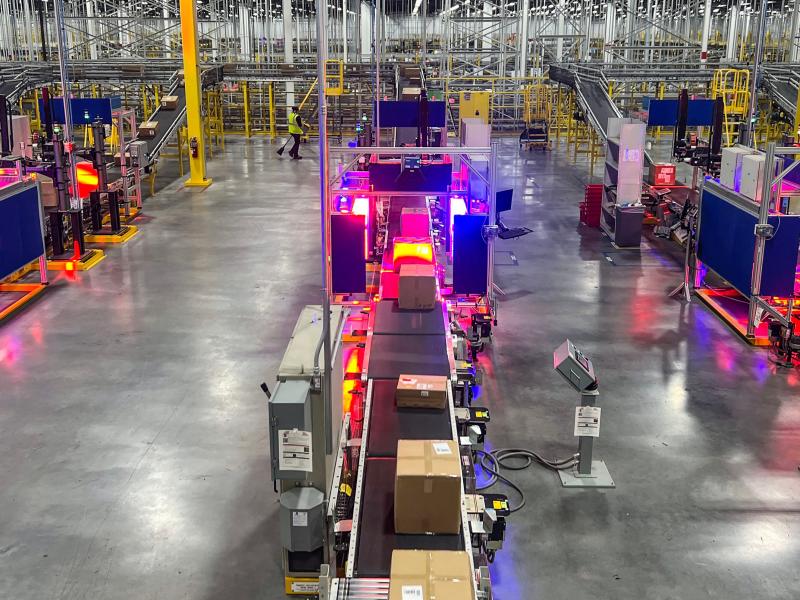
Transport firms are seldom the most powerful actors in supply chains, the experts stated. Now it is the big manufacturers, like Boeing, and the big retailers, like Walmart or Ikea, who drive the agenda, the meeting heard. Examples of transport worker involvement in multiple supply chains included: truck drivers in Australia, where big retailers are the lead firms; dock workers in Durban, South Africa involved in supply chains for German car manufacturers(producer-driven); and also the fresh fruit supply chains for UK supermarkets (buyer-driven). Transport unions hold strategic positions within such supply chains, and by analysing where they sit in relation to the lead-firms and joining forces, they can challenge them directly, the meeting agreed.
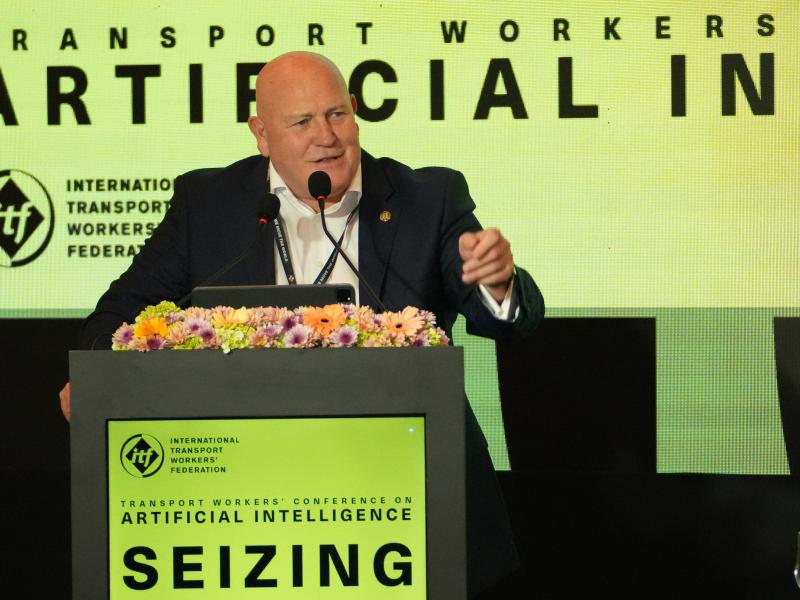
ITF acting general secretary Steve Cotton affirmed the ITF’s commitment for a cross-sectoral approach to its work, while guest speaker Sharan Burrow, the ITUC’s general secretary, highlighted the need for unions worldwide to face the challenges of this rapidly developing industry head-on. Global union federations and the ITUC (International Trade Union Confederation) are ready to work closer, she stressed.
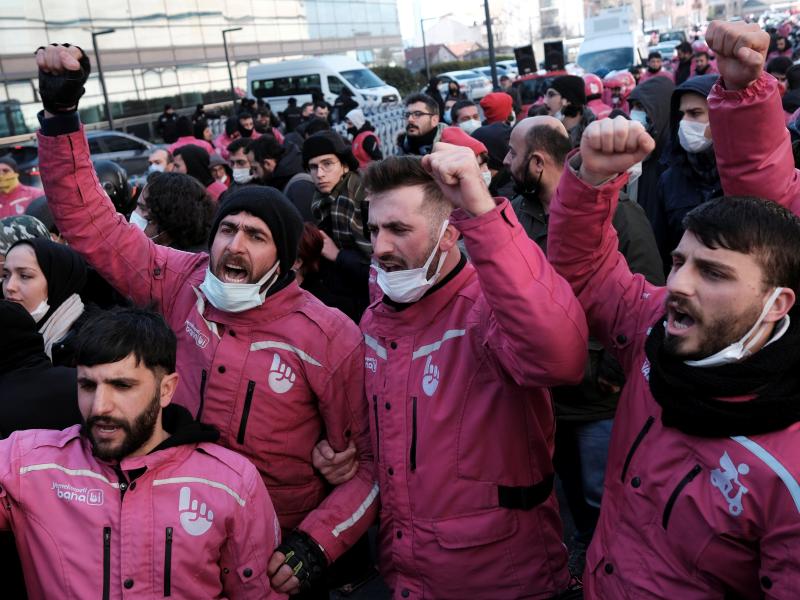
The meeting concluded with a strong call to work in new ways so that a re-focused labour movement can face the challenges and take advantage of supply chain developments.
Ingo Marowsky, global head of the ITF's newly created supply chain and logistics organising projects team, said: “Our movement is gearing up and getting ready. Building relationships between our affiliates from the different transport sectors and indeed with unions in other sectors at national and international level is vital if we’re to strengthen worker power along supply chains. Ultimately we want to deliver a strong message to the global players in this arena, who we know are not always transport employers. That message is: ‘don't mess with us’.”
For more about the meeting see Specialists in organising come together at ITF and the ITF global Facebook page
Interested in getting involved in SCALOP work? Email scalop@itf.org.uk for more information.