
Transshipment is the process where fishing vessels transfer their catch, supplies, and in some cases fishers on the high seas, generally in international waters, far from land and any national or international inspectors or law enforcement officials. This practice allows fishing vessels to spend months or even years at sea without oversight, and is the type of unregulated situation where illegal fishing, human trafficking, extreme labour abuses, debt bondage, serious injuries, safety violations, and even murder can and do happen.
“Fishers of all nationalities deserve to have basic safety and health protections, work in an environment free from physical or mental abuse, and have the right to organise/freely associate to protect themselves. Too often, fishers are beaten or even killed for asserting their rights, and it’s time for us to take action against transshipment to protect everyone on the high seas,” said ITF fisheries section chair and Norwegian Seafarers' Union president Johnny Hansen.
ITF president and Maritime Union of Australia national secretary, Paddy Crumlin, commented: “There should be a moratorium on transshipment until companies agree to force every vessel in their supply chain to abide by fair labour standards.”
Tuna long-line vessels currently operate with minimal supervision – most do not even have an observer on board. This limits the ability to determine the numbers and species of tuna caught, allows transshipment to occur, and contributes to a system that allows captains and companies to violate labor rights with impunity.
The ITF states that until there is more monitoring, control and surveillance of long line tuna fleets throughout the supply chain, Thai fishers and their migrant counterparts from Myanmar, Cambodia and Laos unnecessarily face poor working conditions and egregious human and labor rights violations. Transshipments allow fishers to be kept at sea for long periods of time, sometimes in sub-standard vessels where they, together with observers, have no way to report abuse or escape.
“Fishers should not be forced to risk their lives and endure extreme labour abuses or slavery at sea so that multinational companies can make massive profits supplying the tuna consumers enjoy,” Mr Crumlin added.
Current regulations and penalties have minimal deterrent effect, and are generally unenforced. This allows human and labour rights abuses to continue unabated, facilitates IUU (illegal, unreported and unregulated fishing), and impacts on the conservation of tuna stocks, sharks, and other species. Transshipments reduce and even eliminate the reliance of industrial fleets on local port services and local processing facilities, and limit the capability of national enforcement systems to effectively monitor and remedy the situation.
ITF calls for tuna transshipment moratorium
ニュース
記者発表資料
現場の声
ニュース
記者発表資料
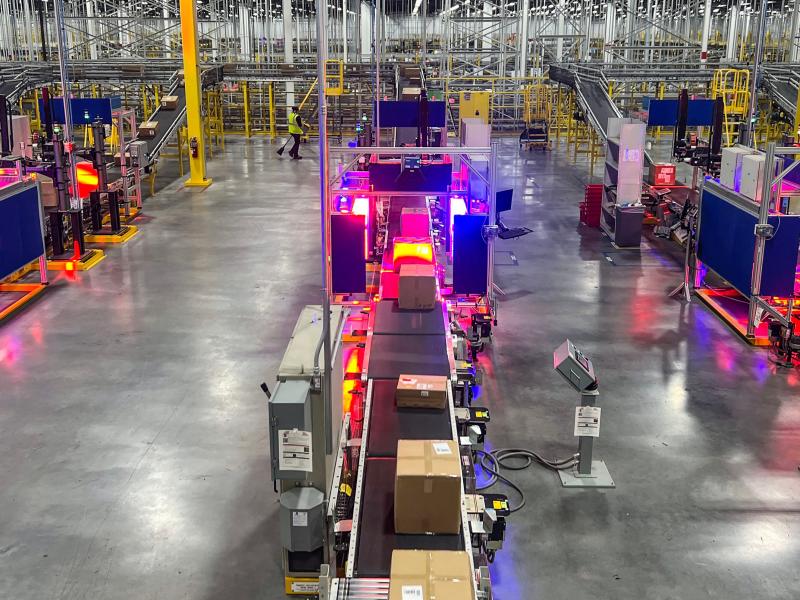
交運労組がAI活用の中核に労働者を据えるための世界的な原則を採択
世界の 1,660 万人以上の労働者を代表する交通運輸労組が、運輸分野における人工知能( AI )の利用を規定するグローバルな要求事項を採択した 本日、スリランカのコロンボで発表された『 主導権を握る:交通運輸労働者のための AI 原則 』は、 AI が交運労働者に影響を及ぼす場合、使用者、技術提供企業、政府が満たすべき条件を定めている。同原則は
ニュース
記者発表資料
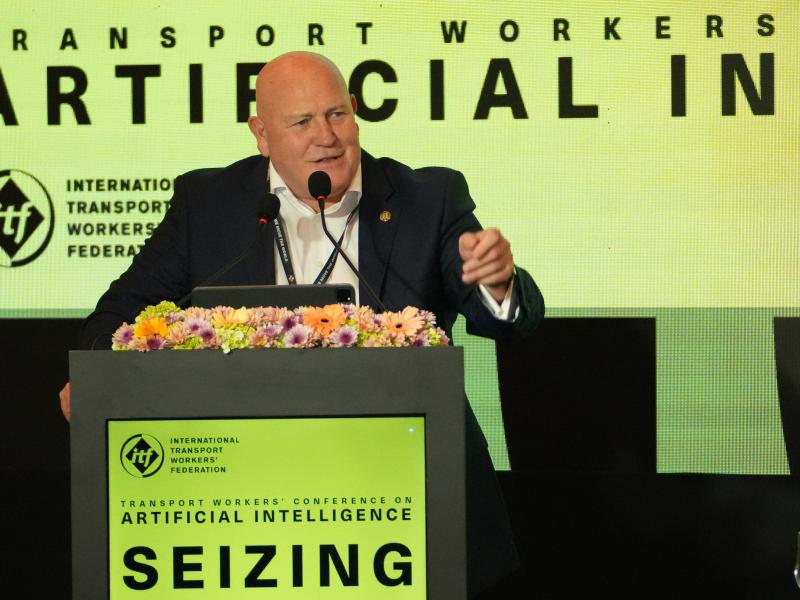
交運労働者、AIで主導権を握るためコロンボに 集結
世界中から何百万人もの交通運輸労働者を代表する労働組合が集結し、4日間の画期的な交通運輸労働者AI総会が開催される。総会の締めくくりにはITFの「グローバルAI原則」が発表される予定だ。 国際運輸労連(ITF)は本日、人工知能(AI)に関する初のグローバル会議を開幕する。世界中から労働組合の指導者、労使交渉担当者、青年交運労働者がスリランカのコロンボに集結し、現世代で最も急速に進む交通運輸の変革に
ニュース
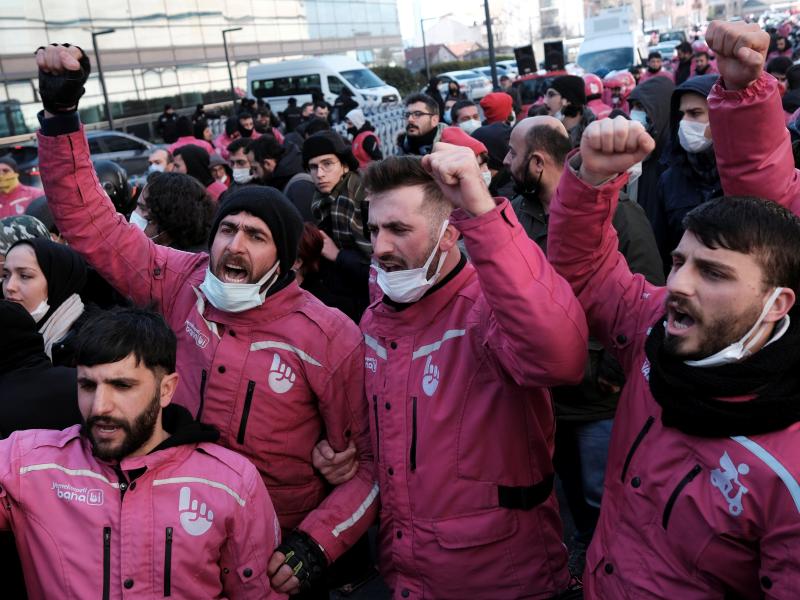
世界は今、プラットフォーム労働を根本から変える機会に恵まれているー各国政府は結果を出すべき時
あと 2 週間余りで、世界中の労働者、使用者、政府がジュネーブの国際労働機関( ILO )に結集し、プラットフォーム労働の国際的な規制をめぐる交渉に最終決定を下すことになる。何百万人もの交通運輸労働者にとっては、この結果ですべてが変わる可能性がある。 昨年、ILO は歴史的な決定を下した。2025 年6 月に開催された第113 回ILO 総会において、構成員の圧倒的多数が