
Search
Discrimination
Discrimination in maritime supply chains undermines equal access to decent work, fair treatment and career progression.
Seafarers are recruited from a limited number of labour-providing countries, creating hierarchies and dynamics on board ships where nationality, race or ethnicity can determine
Occupational Safety + Health
The MLC includes many provisions for a healthy and safe environment on ships, including the maximum length of time on board, the right to shore leave, the right to medical treatment, the crewing of ships, and the standards of accommodation and food.
There are a range of occupational safety and

Systemic Risks Maritime
Maritime transport is defined by systemic factors that create significant human and labour rights risks.
The widespread use of Flags of Convenience – where ships are registered in countries other than that of their true ownership to reduce costs and regulatory oversight – undermines accountability
Climate-Related Risks
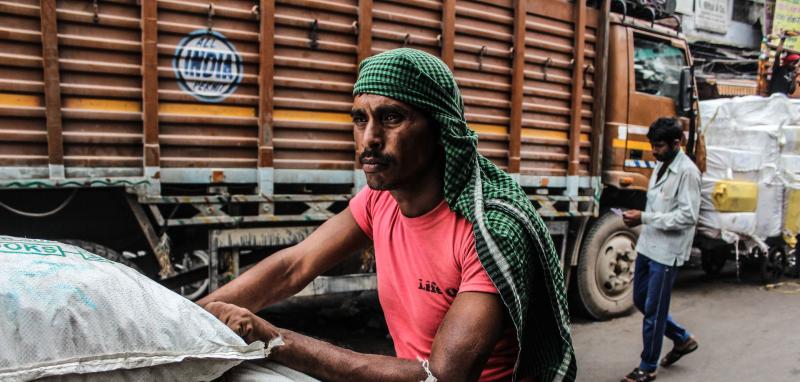
Climate change is a growing occupational safety and health risk for transport workers, and is already reshaping working conditions.
Rising temperatures, extreme cold, storms, flooding and other severe weather events increasingly expose workers to hazardous conditions – generating operational
Mental health + Psychosocial Risk
Mental health and psychosocial risks are significant and growing across transport, often driven by other risks outlined in this guidance.
Job insecurity, excessive and irregular working hours, work intensification, surveillance, isolation and the pressure associated with safety-critical
Ergonomics + Design
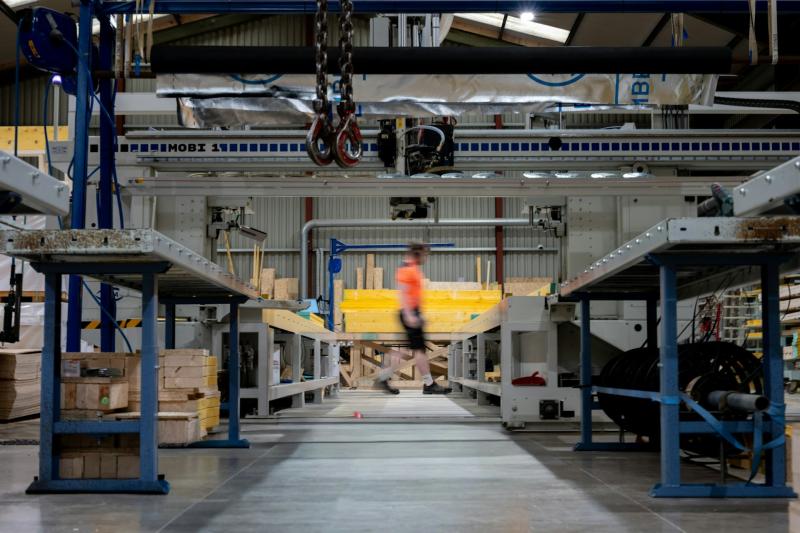
Transport work involves repetitive movements, manual handling, static postures and prolonged periods operating vehicles, machinery or equipment.
When procurement and operational decisions prioritise cost efficiency, speed or productivity, ergonomic factors are often overlooked – and workers can
Exposure To Hazardous Substances
Exposure to hazardous substances and biological risks threatens both transport workers’ safety and health and the resilience of supply chains.
Workers operate in environments – including ports, terminals, warehouses, ships, airports and aircraft – where chemicals, fumes, fuels, dust and infectious

Fatigue, Working Hours + Work Organisation
Fatigue is a systemic, safety-critical risk and one of the leading contributors to accidents in transport – killing and injuring workers, harming passengers and the public, and damaging vehicles, cargo and critical infrastructure.
Fatigue-related incidents also expose companies to significant legal

Isolation and lone working
Isolation and lone working are defining feature of many transport occupations, presenting significant physical and psychological risks for transport workers.
Transport workers frequently perform their duties alone, or in remote or mobile environments, where access to immediate assistance or help
