

Isolation and lone working are defining feature of many transport occupations, presenting significant physical and psychological risks for transport workers.
Transport workers frequently perform their duties alone, or in remote or mobile environments, where access to immediate assistance or help during emergencies, accidents or medical incidents may be limited.
Isolation can also increase workers’ exposure to violence, harassment and intimidation. Women transport workers are disproportionately affected, facing heightened risks of gender-based violence and harassment when working alone during night shifts or in locations lacking adequate safety protections, or in situations where workers may not have access to reporting mechanisms, stable supervisory relationships or organisational support structures.
These risks are intensified in subcontracted and precarious employment relationships, where workers often lack supervision, clear communication channels and access to workplace protections. Isolation can also prevent workers from reporting hazards or seeking support, allowing risks to remain hidden until serious incidents occur.
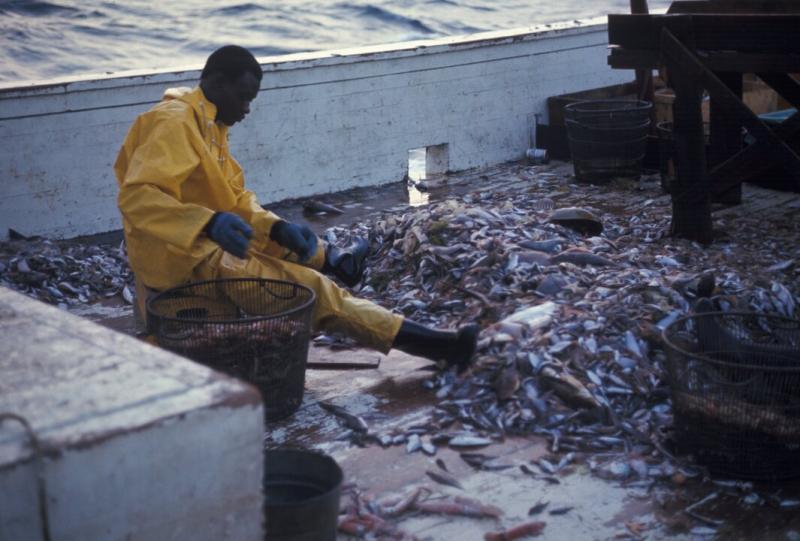
Companies buying and supplying transport services must assess where isolation and lone working occurs, then identify and address the risks. This includes establishing emergency response procedures, real-time communication and monitoring systems, adequate staffing and supervision, and training that equips workers to respond safely.
Preventing violence and harassment demands particular attention, with a heightened focus on gender-based risks women transport workers face. Companies and supply chain actors must ensure accessible reporting mechanisms, immediate support, and clear procedures for workers to raise concerns, refuse unsafe work, or withdraw from danger without penalty or loss of income.
Isolation and lone working risks are directly linked to other risks including violence and harassment and third-party violence. Transport buyer and suppliers should address them together, in consultation with workers and their trade unions, to reduce harm – and with it, legal liability, reputational damage and financial loss.