ITF demands immediate action after emergency meeting at International Maritime Organization
The International Transport Workers’ Federation (ITF) is calling on governments to take immediate, concrete and concerted action to protect seafarers, following the 36th extraordinary session of the International Maritime Organization (IMO) Council held in London today.
Speaking after the meeting, ITF General Secretary Stephen Cotton said: “The world has recognised the grave danger facing seafarers trapped near the Strait of Hormuz – now governments must act.
“For the thousands of seafarers still trapped in this region, facing daily threats to their lives, words are not enough. What matters now is urgent, practical action that safeguards their safety, health and dignity.”
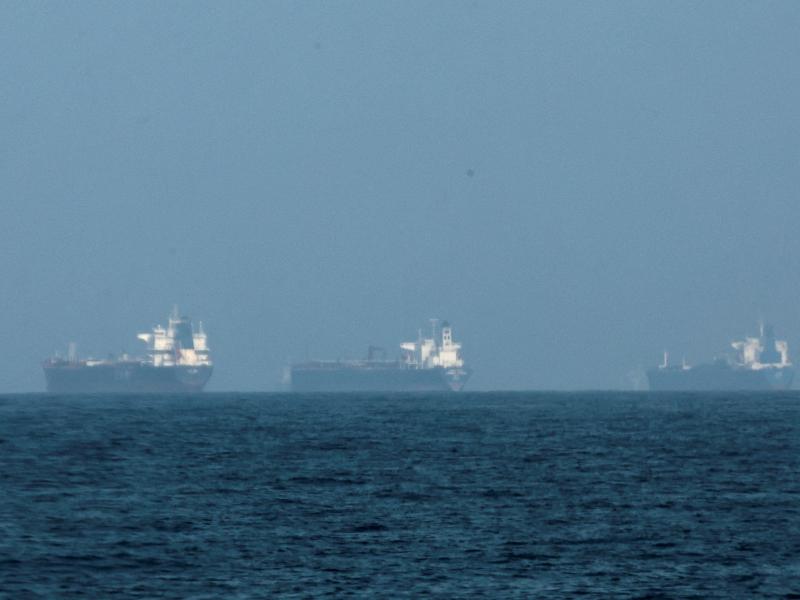
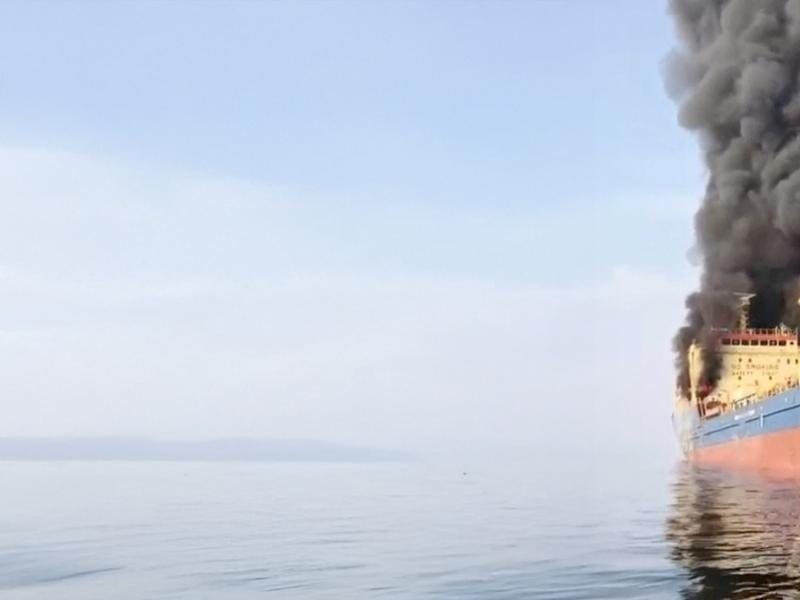
The extraordinary session was convened to address the escalating crisis in Persian Gulf, Gulf of Oman, the Arabian Sea, and particularly the Strait of Hormuz, where seafarers continue to face attacks on vessels, serious risks to safe navigation, and worrying shortages of essential supplies.
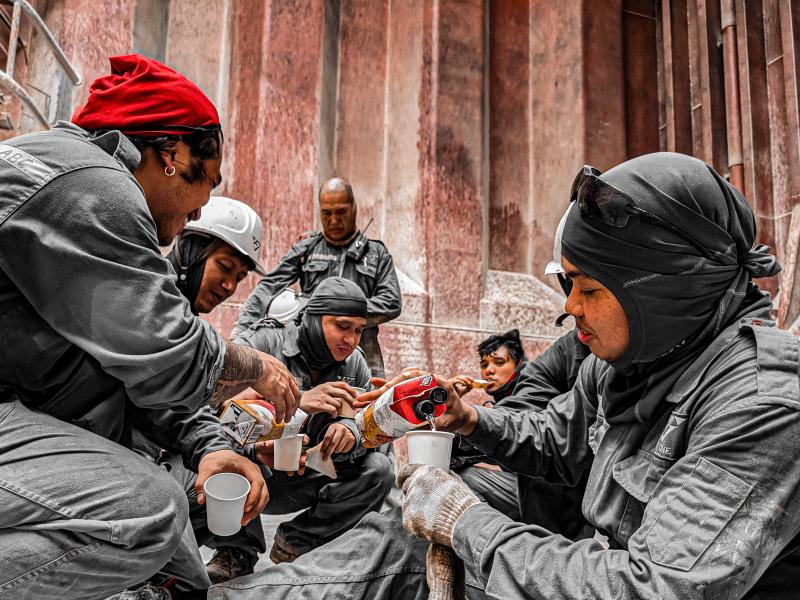
Lydia Ferrad, ITF Permanent Representative to the IMO, warned in her intervention to the IMO Council that the situation remains perilous for crews in the area: “This is not an abstract geopolitical crisis – it is a human crisis at sea. Seafarers have been killed. Others have been injured. Thousands remain stranded onboard vessels in conditions of fear, fatigue and uncertainty. We are receiving daily distress calls from crews who do not know if they will make it home.”
The ITF highlighted the reality facing seafarers in the region, including direct threats to life from attacks on ships, disruption to navigation systems, limited access to food, water, fuel and medical care, and severe restrictions on crew change and repatriation.
“Seafarers are civilian workers. They are not parties to this conflict — and they must never be treated as expendable,” said Ferrad.
The ITF stressed that the commitments, demands and calls made during the IMO session must now be translated into concrete action that safeguards seafarers’ lives, health and wellbeing.
While recognising the outcomes of the meeting, Cotton underlined that seafarers urgently need protection.
“We welcome the commitment from Gulf states to ensure the provision of essential supplies to vessels in the region, as well as their efforts to facilitate crew change and repatriation for seafarers.
“But let’s be absolutely clear: the focus of all governments must be the protection of innocent, civilian seafarers. As we said during the meeting, all flag states must immediately issue clear and unambiguous notices to shipowners and operators to avoid sailing to, or transiting through, the war zone. No seafarer should be placed in a position where they are expected to navigate through active conflict.”
The IMO Council encouraged the establishment of a ‘maritime corridor’ to facilitate the safe evacuation of seafarers and vessels from the Gulf region as an urgent measure. The IMO Secretary-General will now work with relevant parties to initiate this.
“The ITF supports the development of safe evacuation maritime corridors if they are guaranteed to be genuinely safe in practice, not just in principle,” said Cotton.
Seafarers must not be asked to face further risks to their lives.”
Media contact: media@itf.org.uk
About the ITF
The International Transport Workers’ Federation (ITF) is a democratic, affiliate-led federation recognised as the world’s leading transport authority. We fight passionately to improve workers’ lives, connecting more than 730 affiliated trade unions from over 150 countries to secure rights, equality and justice for workers globally. We are the voice for more than 16.5 million transport workers across the world.
Photo: REUTERS
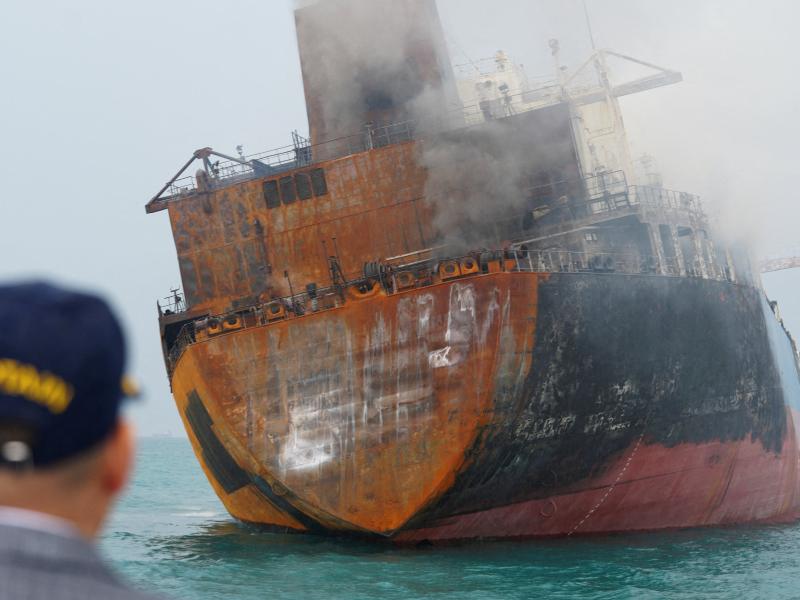
Seafarers, we stand with you in this time of crisis
ITF condemns killing and targeting of innocent civilian seafarers as Strait of Hormuz designated Warlike Operations Area