
EXPLORE
Systemic Risks
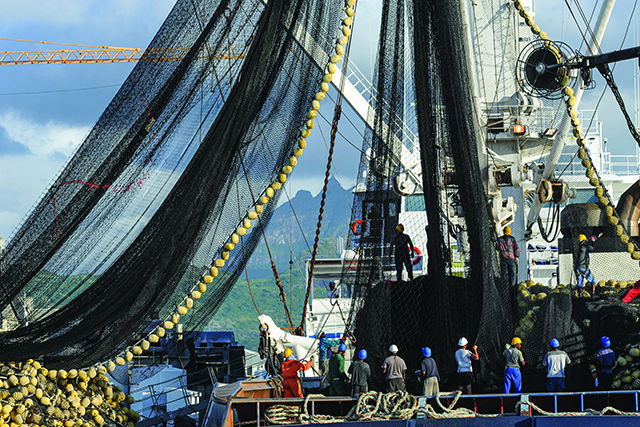
Fishing is characterised by systemic conditions that create heightened human and labour rights risks.
Occupational Safety + Health Risks
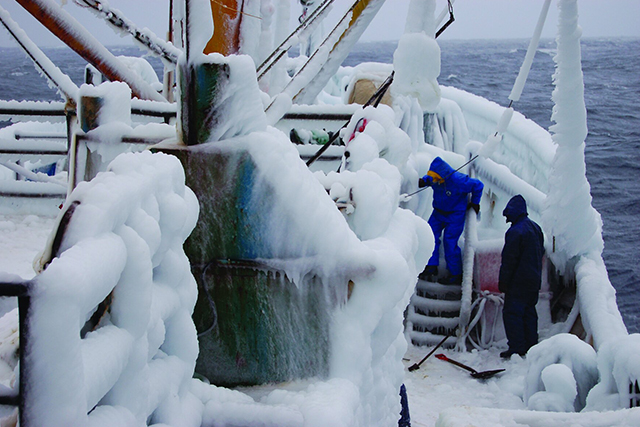
Fishing remains one of the most hazardous occupations in the world, with an estimated 34,000 fishers dying at work every year.
Wages, Working + Living Conditions
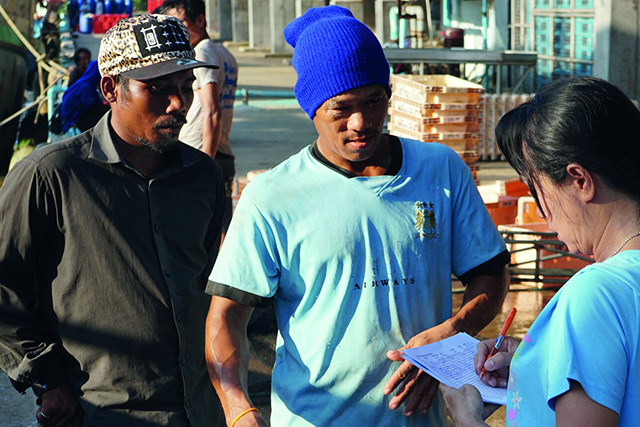
Workers face deductions for food, equipment, recruitment costs or transport that reduce earnings below acceptable standards.
Forced Labour and Human Trafficking
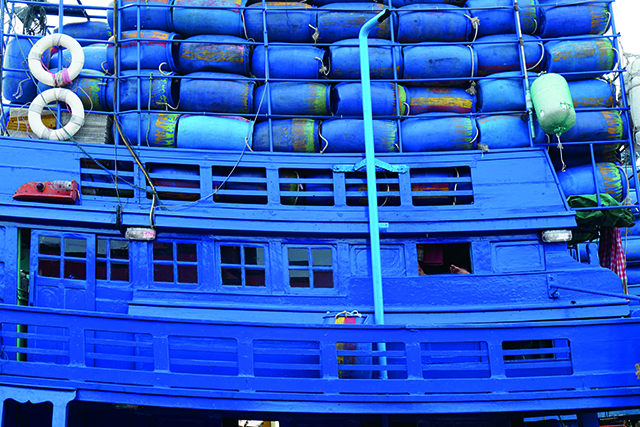
Isolation, weak oversight, complex recruitment systems and worker dependency create conditions in which exploitation flourishes undetected.
Discrimination
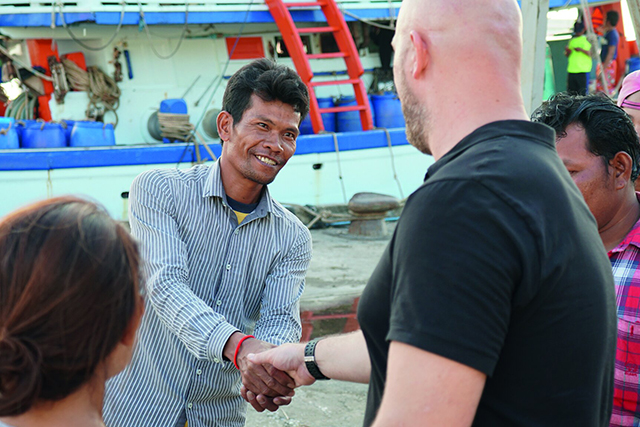
Crews are commonly recruited from a small number of labour-providing countries, creating hierarchies aboard where nationality determines pay, task allocation and treatment.
Violence + Harassment
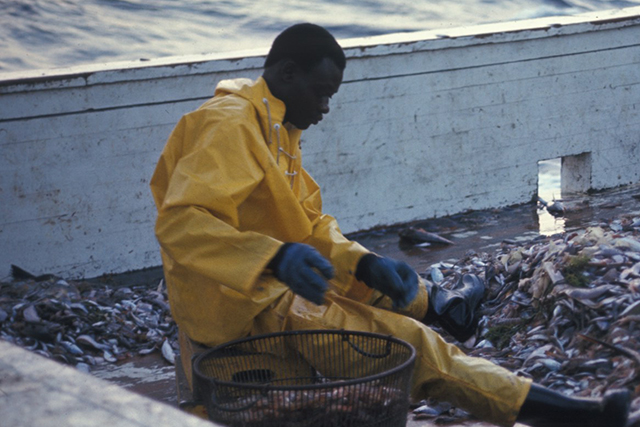
Fishers work in isolated, confined and steeply hierarchical environments that increase exposure to bullying, intimidation and physical violence.
Access to Sanitation Facilities
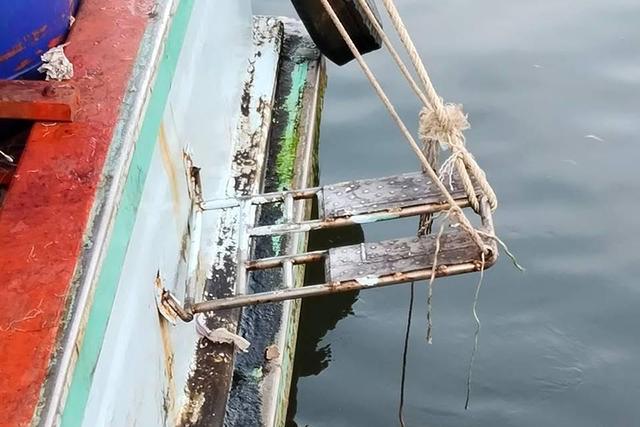
On fishing vessels, access to toilets, sanitation facilities, clean drinking water and hygiene infrastructure may be limited, inadequate or non-existent.
New Technology Risks
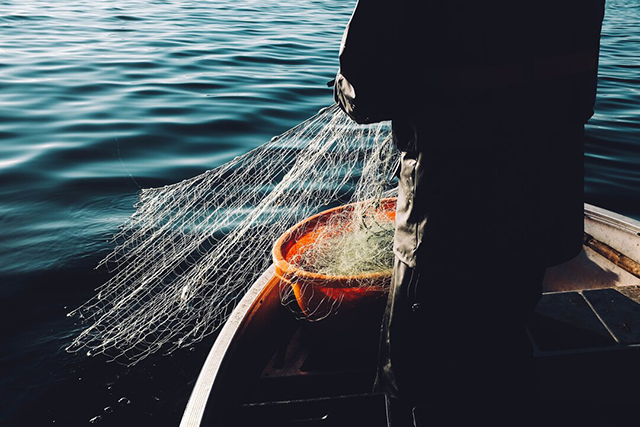
Technological change is transforming fisheries through electronic monitoring, vessel tracking, automated equipment, digital reporting systems and data-driven management tools.
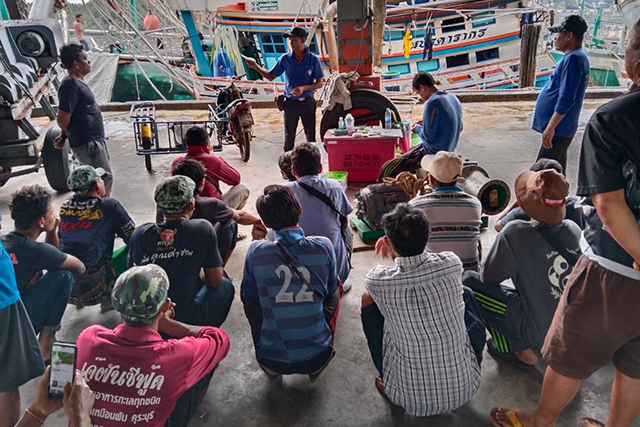
Freedom of Association + Collective Bargaining
Where workers are unable to organise, join trade unions or bargain collectively, other abuses are more likely to occur and remain undetected.
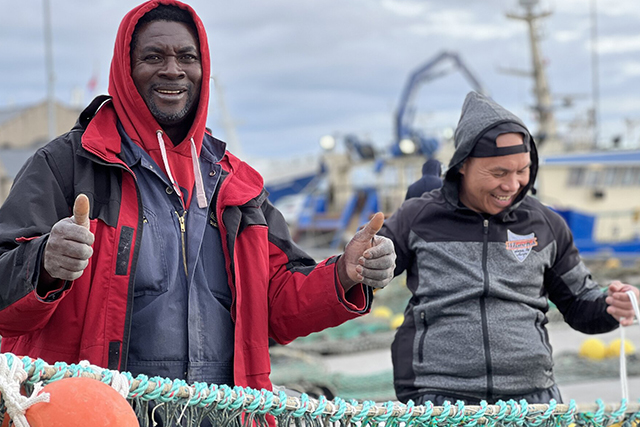
Effective HRDD via Stakeholder Engagement with the ITF
Working with the ITF and our affiliated unions gives companies access to trusted worker-led HREDD, established industrial relations mechanisms and credible processes for addressing human and labour rights risks.