Only one in five cabin crew representatives believes their airline takes fatigue seriously, according to a new report released today by the International Transport Workers’ Federation (ITF).
Published on International Civil Aviation Day, the ITF report reveals an alarming truth: cabin crew are being pushed to – and beyond – human limits. Ten-hour-plus shifts without proper breaks, chaotic scheduling, pressure to work on days off, and widespread under-reporting of fatigue have created what the ITF calls “a systemic and dangerous safety failure in global aviation.”
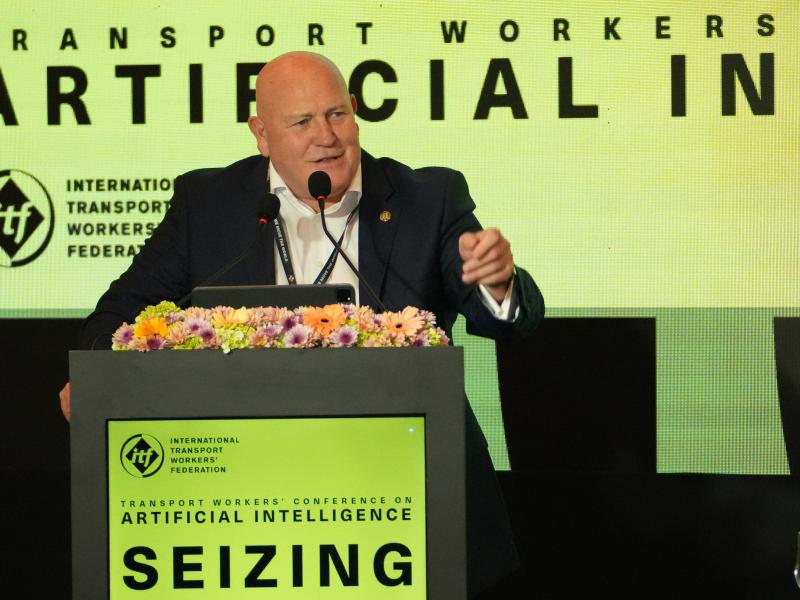
Sara Nelson, ITF Civil Aviation Chair and International President of the Association of Flight Attendants-CWA delivered a stark warning to the industry.
“Fatigue in aviation is a safety crisis. Full stop. Airlines know this, regulators know this, and the science is undeniable – yet crew are still being worked past the point of basic human functioning. It’s happening to crew – and it’s happening across every other job that keeps this industry moving and safe.”
“This report confirms what crew have been saying for years: corporations are normalising exhaustion as a business model. That’s dangerous. Fatigue is just as lethal as any mechanical failure, and when airlines ignore it, they are gambling with human lives.”
Key findings
The ITF survey of 114 union representatives across 45 airlines reveals a consistent global pattern of serious fatigue conditions:
- Airlines are failing on fatigue management
Only 19% of respondents believe their airline takes fatigue seriously.
Many fear reporting fatigue because safety cultures are weak or punitive.
- Long duties with inadequate breaks
90% of cabin crew work 10-hour-plus duties frequently or always.
Over half say they receive occasional, rare, or no meaningful rest breaks.
At low-cost carriers, the situation is worse, with 73% saying they do not receive reasonable rest breaks frequently or always.
- Chaotic and destabilising scheduling
31% say planned flights are frequently or always changed at short notice.
27% report regular start-time changes of over one hour.
- Inconsistent application of fatigue mitigation systems
Significant variation in fatigue experiences even within the same airline.
Aviation’s safety foundation is cracking under fatigue
“Aviation prides itself on being the gold standard for safety,” said Nelson. “But you cannot run a safe operation when crew are too tired to react quickly or think clearly. Safety culture is collapsing under commercial pressure, and that should terrify anyone who gets on an aircraft.”
“Fatigue is fixable – but only if airlines and regulators take action now. The evidence is clear, and the risk is real.”
Industry must act now
On International Civil Aviation Day, the ITF is calling for urgent action from regulators and airlines:
- Legally enforce stronger maximum duty hours and minimum rest periods, based on independent scientific evidence.
- Strengthen and enforce FRMS, ensuring they cannot be used to justify excessive hours.
- Create a positive safety culture so crew can report fatigue without fear.
Image credit: REUTERS