As digital technology reshapes the world of work, young transport workers are feeling the deepest impacts – and leading the fight for justice.
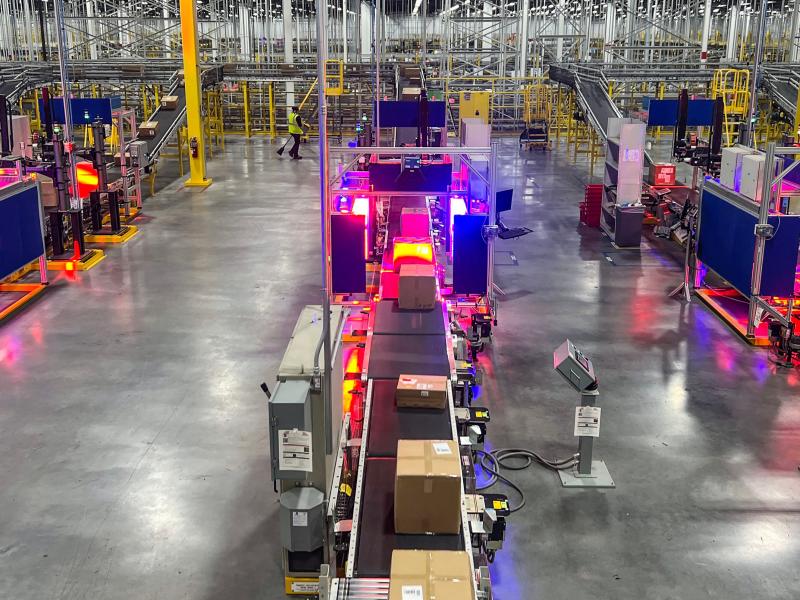
From AI-powered surveillance to algorithmic management that tracks, ranks and assigns work without human oversight, the technologies driving today's transport systems are often deployed without negotiation or transparency. Young workers, many of whom are concentrated in lower-paid, precarious and tech-mediated roles, are on the sharp edge of this transformation. Their rights, safety and futures are too often treated as collateral damage. These systems also reinforce existing inequalities, disproportionately affecting women, migrant workers, and workers in the Global South.
On this International Youth Day, the International Transport Workers’ Federation (ITF) is standing with young workers around the world to demand technology delivers decent work, not exploitation. It is not enough to adapt to change – workers must shape it.
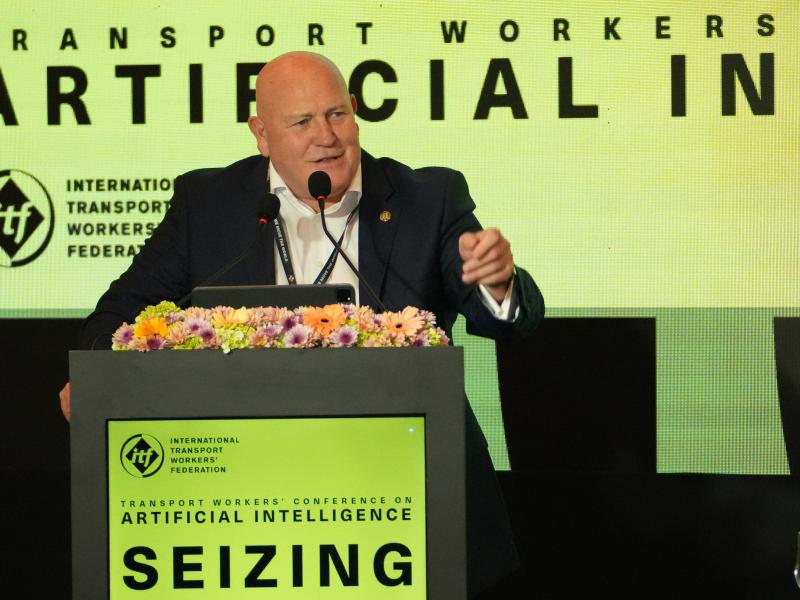
That call to action is echoed by Preeti Singh, Co-Chair of the ITF Young Transport Workers’ Committee and Assistant General Secretary of NRMU in India, who said:
“As young workers, we need to understand the changing faces of our work and the future of work due to AI, privatisation, outsourcing and climate change. We are the first generation to face these problems first hand, many times without any experience or pport. So young workers must be included in decision making processes, bargaining, negotiations and leadership. And I believe that unions should step up to ensure a fair future of work and sustainable jobs for all young workers across the globe.”
Across all sectors of transport, young workers are not only experiencing these changes firsthand, but they are also bringing solutions. Their digital literacy, lived experience and drive for justice are critical resources in shaping the future of work, yet they are too often excluded from leadership, decision-making and bargaining processes.
“Our workplaces are going digital. AI, automation and remote control are replacing human hands fast. But this transformation is happening without rules, without social dialogue, and without care for workers. Not everyone can upskill. Not everybody gets a second chance,” said Nick Loridian, ITF Young Workers’ Committee Co-Chair from BTB Belgium, asking the key questions:
“So what future are we creating for young people? Mass unemployment? Rising poverty? Global conflicts over resources. This is about your job, this is about your workplace, and this is about our unions. We are not against progress, but not without protection.”
The fight for decent digital work
The ITF Technology & Decent Work Charter lays out seven core rights to protect workers in an era of rapid technological change – from the right to negotiate, to protections for data, privacy and job security. These rights are urgent for young workers, who are often excluded from technology decision-making but disproportionately impacted by it.
The Charter asserts the right to algorithmic transparency, shared control of workers’ data, and training and compensation for workers impacted by job displacement. It also calls for a share of the benefits of new technology to go to workers who generate the data and power the systems. These rights must be enforced by law, not left to voluntary codes or corporate goodwill.
Platform workers demand global protection
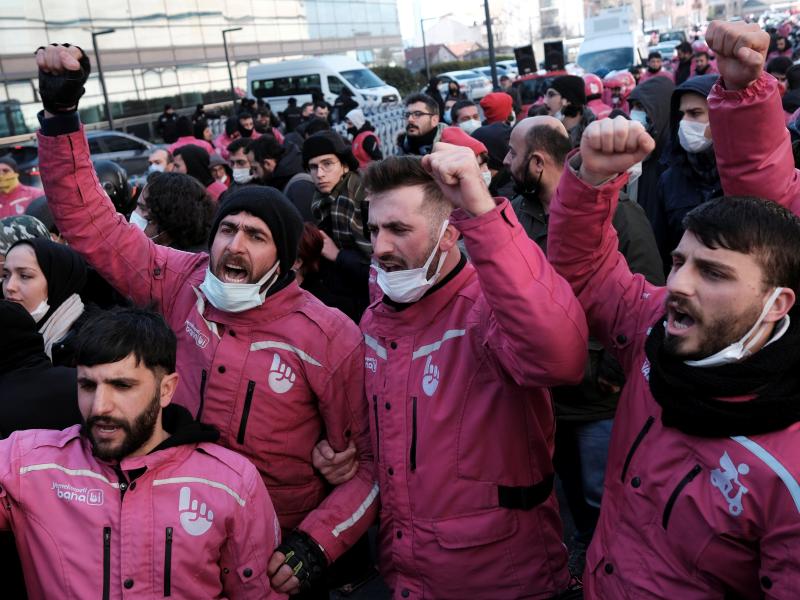
Nowhere are these issues more visible than in the platform economy. Millions of young transport workers – from food delivery riders to ride-hail drivers – are trapped in digital employment models that strip away rights, deny protections, and push workers into poverty, with unpredictable schedules and pay that often falls below the minimum wage.
In June, the ITF and the global labour movement secured a major breakthrough: the ILO’s landmark resolution on decent work in the platform economy. But workers need more than a resolution. They need a binding international convention to guarantee platform workers the same rights as every other worker including enforceable protections against algorithmic abuse, social security, and fair pay.
The ITF’s 11 demands for a platform work convention set out a worker-led vision for the future. These demands echo the realities faced by young workers across all transport sectors — not just in platform jobs.
The future is organised
Young workers aren’t just victims of digital disruption — they are also organisers, innovators and leaders of change. Across the ITF, youth committees are leading campaigns for algorithmic accountability, safe and inclusive digital workplaces, and the right to shape the technologies that govern their lives.
Nice Mwansasu, ITF Vice President and a leader of the Communication and Transport Workers’ Union of Tanzania (COTWU), summed up the challenge and opportunity:
“Young workers are the future of work, and the future of unions. On this International Youth Day, we celebrate the power and determination of young transport workers everywhere. But celebration is not enough. We call on union leaders to champion and resource youth leadership, on governments to enshrine strong protections for young workers in law, and on employers to work with us to build fair, safe and sustainable jobs.”
These challenges and opportunities are at the heart of ITF Young Workers’ priorities. Baker Khundakji, ITF Youth and Future of Work Officer:
"Young transport workers are not just the first to feel the impact of AI, automation and platform exploitation, they are the generation that will live longest with the consequences. A future designed without their voices is unacceptable. That is why we are demanding binding rights for all workers in digitalised workplaces, full protections for platform workers, and a seat at the table in every negotiation shaping the future of work. Our message is clear: technology must serve people, not profit; and young workers will organise globally to make sure it does."
This International Youth Day, we call on:
- Governments to support an international convention for platform workers and enforce labour protections in all digitalised workplaces. This includes extending full labour rights and social protections to all workers, regardless of employment status.
- Employers to co-design technologies with workers, uphold the rights set out in the ITF’s Charter, and end the race to the bottom in the name of ‘innovation’. Employers must ensure meaningful worker input at all stages of technology design, deployment and evaluation.
- Unions to centre young workers in negotiating the future of work – backed by meaningful youth representation and formal youth structures. Young workers must be resourced, trained and empowered to lead at every level of the labour movement.