As the world reflects on the 2024 Paris Olympics, the spotlight often shines on the athletes, venues, and the grandeur of the event. Yet behind the scenes, a critical workforce ensured the smooth functioning of this global spectacle: transport workers.
Represented by unions including the Fédération Nationale des Syndicats des Transports (FNST CGT), the Fédération CGT des cheminots, the Confédération Générale du Travail (CGT), the Fédération Générale des Transports et de l’Environnement (CFDT), the Fédération Nationale des Transports et de la Logistique Force Ouvrière (Feets-FO), and the Union Nationale des Syndicats Autonomes (UNSA Transport), these workers were the backbone of the transport and logistics network that supported the Games. Their role was indispensable, and their contributions deserve recognition and respect.
Transport workers’ responsibilities were vast and varied, encompassing the safe and timely transportation of athletes, officials, spectators, and goods. Without their dedication and expertise, the Olympics would have faltered. From managing the influx of international visitors at airports, to ensuring the efficiency of public transportation systems, transport workers played a pivotal role in the success of the event.
But the importance of transport workers extends far beyond the Olympics. They are vital to the daily functioning of global society, ensuring the mobility of people and goods year-round.
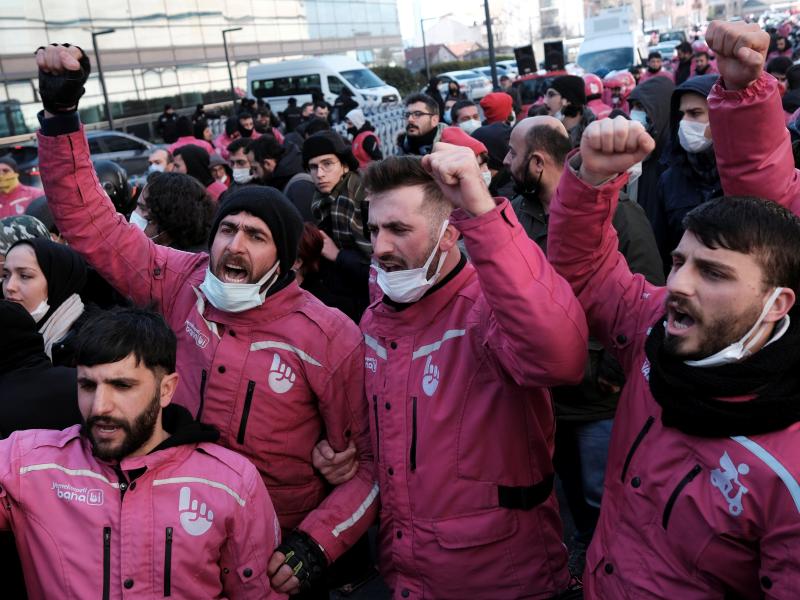
Prior to the games, French unions had highlighted several concerns, including the need for adequate staffing, decent working conditions, and the assurance of safety standards. Just a week before the Olympics, airport workers’ unions planned for the possibility of strikes to highlight unresolved grievances. Such actions, while seemingly detrimental to the event, were a testament to the workers' demand for fair treatment and recognition. Strikes serve as a powerful tool to raise awareness on the need to treat transport workers well; without their cooperation, even the most meticulously planned events can face significant hurdles.
As noted in an opinion piece published today from Le Monde, the focus on public transport should not be confined to the period of the Games. Paris commuters, and commuters worldwide, are entitled to "Olympic class" public transport every day, not just when the world is watching. The pressure placed on the transport network during the Olympics only underscored the need for sustained investment in the Parisian public transportation infrastructure, which suffers overcrowded trains.
Paris is the 5th most densely populated city in the world (20,000 people/km2) and is subject to many building restrictions due to its historical monuments and century-old metro lines. Building new infrastructure thus remains a huge challenge. The construction works which begun before the Olympics will be completed in 2025, and should significantly improve the daily lives of Parisians.
As they should, French unions used the spotlight of the Olympics to advocate for better working conditions, fair wages, and recognition of their members' efforts. By doing so, they aimed to secure lasting improvements that will benefit workers long after the Olympic flame has been extinguished.
For the first time in the history of the Olympic Games - under pressure from trade unions and following the 2022 Qatar World Cup controversies - a social charter was drafted for the Olympic and Paralympic Games. Throughout the duration of the construction works, which employed 30,000 people, Bernard Thibault, former CGT leader and co-president of the Social Charter Monitoring Committee, was able to implement safeguards (regular site visits by the labour inspectorate, provision of premises for trade unionists, monitoring committee, etc.). As a result, the number of accidents on the Olympic construction sites was four times lower than the average rate in the construction industry – though every accident is one too many. We must now ensure that the tried-and-tested working practices are replicated and maintained across the entire sector.
A well-resourced, well-staffed transport system is not only essential for major events but is also critical for the daily life of any country. The time has come for governments and stakeholders to recognise that the quality of transport services is a direct reflection of the investment made in it, particularly in its workforce.
As we move forward, it is imperative that state investment in transport is not just maintained but significantly amplified. This investment must prioritise the hiring, training, and fair compensation of transport workers, who are the lifeblood of our mobility systems.
The ITF People’s Public Transport Policy demands that public transport services must be publicly owned and operated and that democratic accountability in the planning, development and future of public transport must be guaranteed. We must continue to enhance the Olympic social charter for the next Games and focus on workers' rights.
Speaking at the closing ceremony, IOC President Thomas Bach reminded us that Olympism also promotes the values of peace, sharing and solidarity: “You created a culture of peace.
This inspired all of us and billions of people around the globe”.
The success of the 2024 Paris Olympics should serve as a catalyst for this change, reminding us that the standard of transport, and particularly public transport, should always be "Olympic class." The daily commute of millions depends on it. Let's ensure that our transport systems are equipped, staffed, and supported to meet the demands of today and the challenges of tomorrow. The time to act is now.
For more information see ITF’s People’s Public Transport Policy and Manifesto on Sustainable Public Transport Investment, Funding and Fares
Image credit: Andrea Savorani Neri via Reuters Connect