The world’s seafarers yesterday took the extraordinary decision to shut down negotiations over the future of seafarers’ minimum wages with national shipowners represented by the International Chamber of Shipping. The seafarers’ unions said they would prefer to tackle the shipping companies ‘head-on’ to set wages unilaterally rather than risk decades of established ILO practices by agreeing to employers’ demands to ditch objective ILO minimum wage calculations.
“For only the second time in the long history of these negotiations the shipowners and the seafarers have failed to agree a revised minimum wage for seafarers. And that’s wholly the fault of the shipowners, who have behaved with such an astounding lack of self-awareness and a lack of respect for the sacrifices of seafarers – especially these past 14 months,” said Mark Dickinson, Seafarers Group Spokesperson at the ILO and Vice-Chair of the Seafarers’ Section of the International Transport Workers’ Federation (ITF).
“By initially holding to ransom any kind of pay rise – even a dollar – to their plan to blow up the ILO formula, the shipowners expose their long-term strategy to undermine the social dialogue that has been so critical to the success and stability of this industry for years, and in doing so threaten the cooperation that we’ve seen throughout the global pandemic.”
Shipowners’ pay freeze sets industry up for labour shortage
Dickinson said new research from the ITF showed a quarter of seafarers were considering quitting the industry already due to the ongoing crew change crisis and another 23 percent of seafarers were unsure about their future, suggesting a seafarer supply crunch was looming. Covid-era ravel, transit and border restrictions meant a prospective seafarer might not see their family for years, he said.
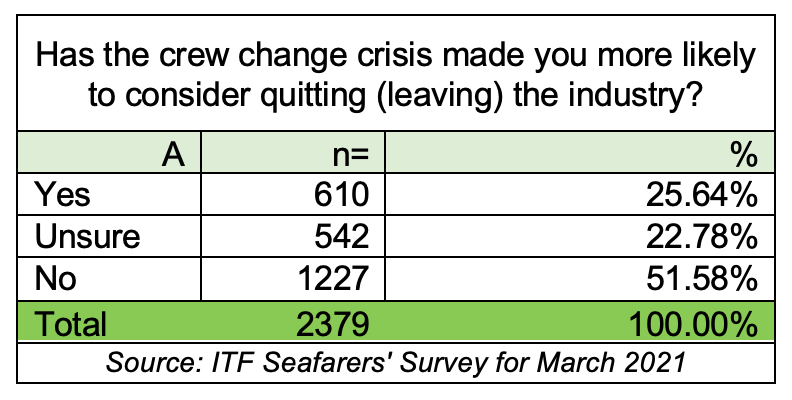
Dickinson said pushing wage cuts now or in the future represented a ‘total own goal’ for shipowners. Companies were increasingly sharing their private concerns about labour supply to union officials behind closed doors, he revealed.
“Sadly the result of the shipowners’ pay freeze is a pay cut in real terms – accelerating an industry labour shortage. It’s hard enough for these companies to recruit seafarers with the crew change issue, I would have thought now would be the time to be investing in your people and making this an industry more attractive to join – not less,” he said.
“We’ve heard time and time again from shipowners and their representatives that they care about the seafarers, that seafarers are ‘vital’, and ‘critical’ to our industry and the global supply chain. But the moment it comes to recognise the contribution of seafarers and value them practically, by respecting institutions most fundamental to seafarers’ welfare and delivering a modest real wage increase – the shipowners show their true colours.”
“The shipowners cry crocodile tears. They only pretend to care,” Dickinson said.
Money rolls in for companies, but not seafarers
Dickinson said the shipowners’ arguments that the industry had suffered financially during the pandemic was not rooted in reality, especially compared to the strain and turmoil experienced by seafarers battling the Covid-19 pandemic, a lack of crew change, and its impacts on seafaring sectors such as cruise.
He said international shipping rates were at all-time highs and most shipowners had done well out of the pandemic, despite earlier predictions of falls in revenue and profitability.
“We made a strong case to the ILO meeting as the final report will show.”
“Seafarers are heroes of the pandemic. They have sacrificed time and again. They have literally risked their lives so that these companies could survive Covid-19 and its economic effects. And now the thanks they get is a slap in the face from the shipowners who are essentially making them choose between pay cuts now or pay cuts later. It’s disgraceful,” said Dickinson.
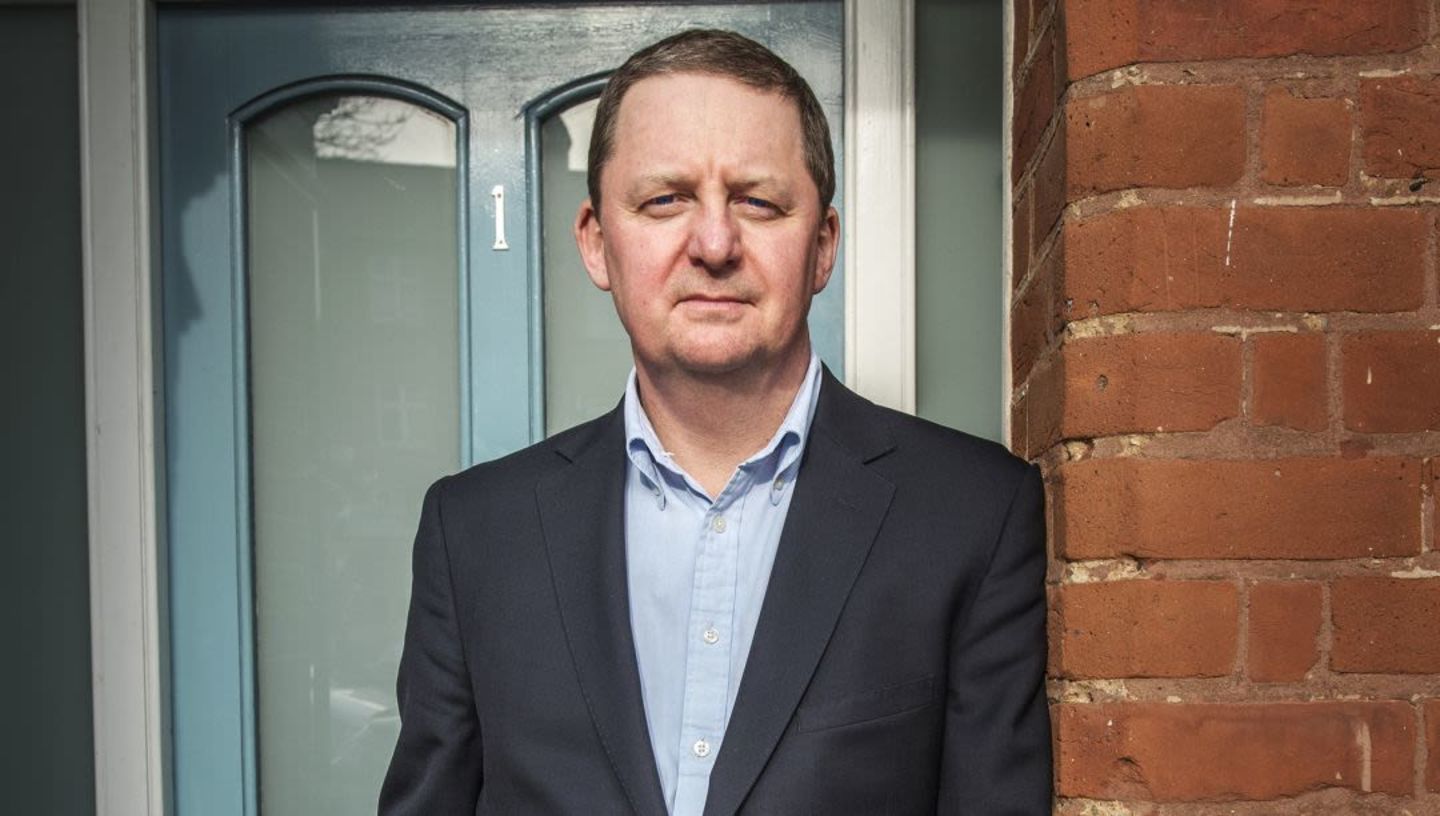
ITF will now engage ‘robustly’ with shipowners
“Failing to agree means the ITF now must unilaterally determine the ILO minimum wage rate, but unlike the shipowners we will respect and keep faith with the ILO formula, which is fair and objective, Dickinson continued.”
“The formula is just about retaining the purchasing power of seafarers in a standard currency so that their real wages don’t go backwards, as well as sharing a small portion of in the productivity gains of the industry that seafarers’ skills and hard work is generating.”
The formula puts the minimum wage at US$683 per month with effect from 1st January 2022, a US$1.40 per day increase on the current rate of US$641, which was set following discussions at the ILO in 2018. Dickinson said thewage rise represents less than the price of a cup of coffee in most countries.
“We maintain that the revised ILO minimum wage for an able seafarer is a minimum of US$683 per month from the first of January 2022 and we will advise our affiliates and the ILO Governing Body accordingly. We are now making preparations to engage robustly with industry stakeholders and wider society to promulgate our views. We will use the extensive networks and media profile established during the crew change crisis to support our campaign for pay fairness for seafarers.”
Finally, Dickinson said, “Our door remains open for further talks should commonsense prevail,” he added.
Notes:
- Full details of the background papers for the wage discussions at the ILO JMC Sub-Committee and the eventual final report of proceedings are available here
- Mark Dickinson is available for interviews – contact media[at]itf.org.uk to arrange
About the ITF: The International Transport Workers’ Federation (ITF) is a democratic, affiliate-led federation recognised as the world’s leading transport authority. We fight passionately to improve working lives; connecting trade unions from 147 countries to secure rights, equality and justice for their members. We are the voice for nearly 20 million working women and men in the transport industry across the world.
Media contact: media[at]itf.org.uk +44 20 7940 9282