
The dispute arose when employers Batumi Auto Transport (BAT) went back on an agreement to improve working conditions and put pay up from 4 GEL (USD 2.29) an hour to 4.5 GEL (USD 2.58) an hour. According to media reports, BAT has diverted funds earmarked for worker raises to open new bus lines.
The strike, which started on 10 February, has been widely supported. The Georgian Seafarers’ Union and the Dockers’ Union took part in the strike. The Doctors’ Union and representatives of the Trade Union Confederation of Adjara also supported the action. The General Director of BAT has now resigned – but wages remain the same.
The ITF has intervened in the dispute, expressing its support for the union. It has called on local government to ensure the issues raised by the dispute are solved quickly through meaningful social dialogue.
ITF inland transport secretary Mac Urata said: “Quality public transport, ensuring safety both for drivers and passengers, can be provided only by workers who have decent working conditions and wages. It’s clear to us that BAT must invest in its employees to ensure its future. We’ll continue to watch the unfolding situation closely.”
Drivers strike for fair conditions
news
ON THE GROUND
news
Press Release
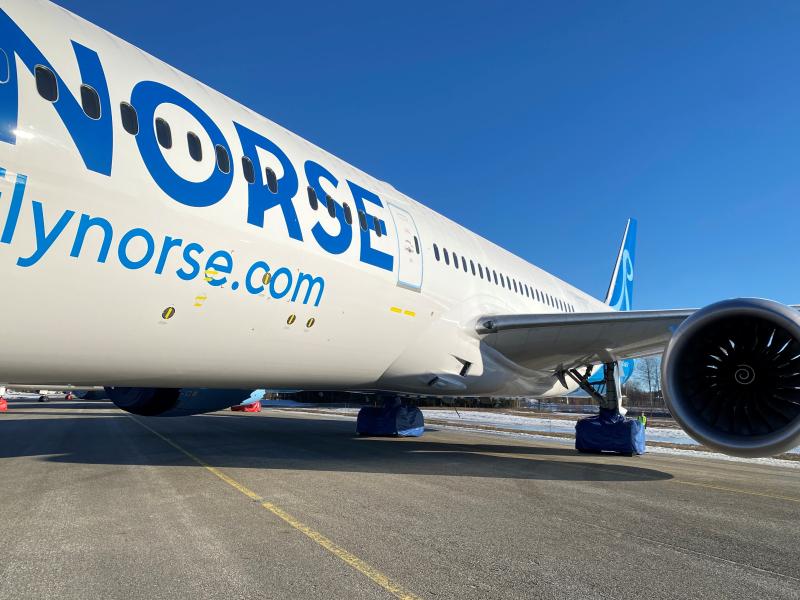
ITF: Norse Atlantic workers must not pay the price for war and fuel shocks
The ITF and affiliated unions mobilise support for Norse Atlantic Airways workers as airline fights for survival, and warn Norse may be the first of several airlines pushed into crisis as fuel hedges
news
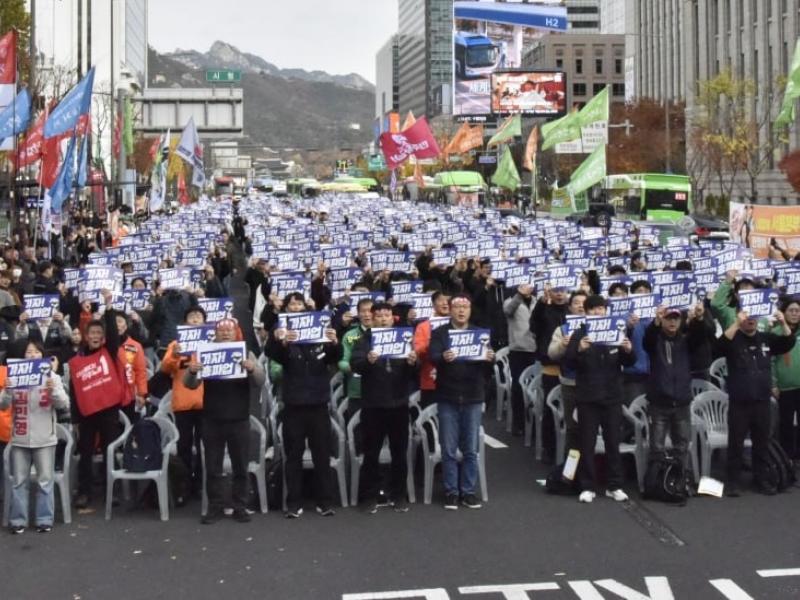
Seoul Metro workers reach agreement after last-minute negotiations
The commencement of an indefinite general strike on the Seoul Metro has been cancelled after last-minute negotiations between Seoul Metro management and ITF affiliate KPTU Seoul Metro Union. The
news
Press Release
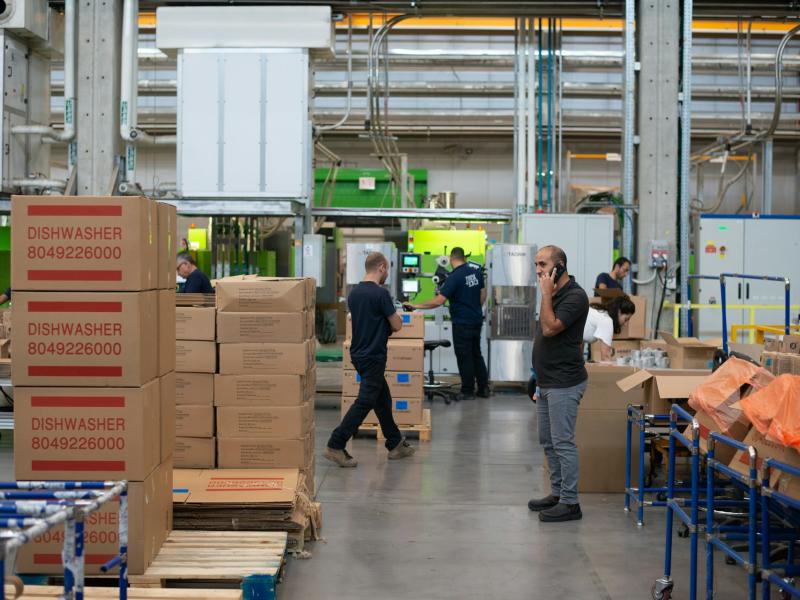
New ITF guidance puts transport workers at heart of supply chain due diligence
Responsible businesses aligning to HREDD can now access transport stakeholder engagement from ITF’s global network of workers and unions. Supply Chain Guidance on the human and labour rights risks