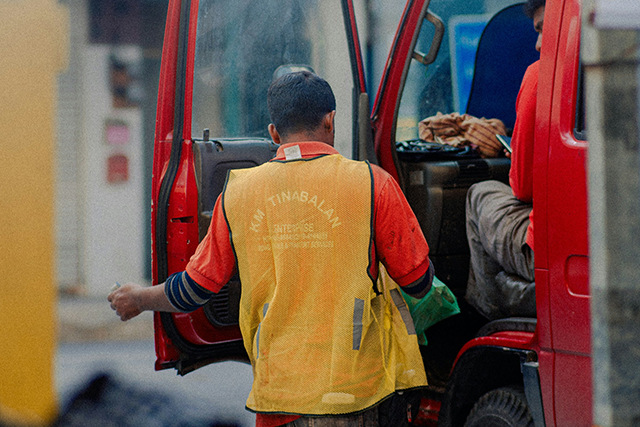
Wages, working conditions and living conditions are central to ensuring decent work and safe operations in road transport.
The ILO Guidelines highlight that these factors are closely interconnected and directly influence both worker wellbeing and road safety outcomes, and they call for remuneration systems that pay a fair living wage and enough to cover operational costs without having to speed or skip rest to make a living. Systemic features of the sector – fragmented supply chains, cost pressures and non-standard employment arrangements – make safe, fair and stable remuneration, reasonable working hours and adequate rest hard to secure.
Drivers face income insecurity and below cost recovery payments (where income falls short of the real costs of running and maintaining a vehicle safely), long periods away from home and limited access to safe sanitation and rest facilities, all of which can negatively impact health, safety and quality of life. Working and living conditions, including access to sanitation, secure parking and rest areas, are particularly important. Where these conditions are inadequate or poorly managed, they lead to fatigue, chronic health problems, and heightened security risks, including cargo theft, and violence and harassment.