
Fatigue is a systemic, safety-critical risk and one of the leading contributors to accidents in transport – killing and injuring workers, harming passengers and the public, and damaging vehicles, cargo and critical infrastructure. Fatigue-related incidents also expose companies to significant legal and financial risk, including regulatory breaches, civil claims and criminal liability.
Research across transport, including ITF research, shows fatigue is driven by long and irregular working hours, insufficient rest, unpredictable scheduling and tight delivery or service windows. This leads to chronic tiredness, reduced alertness and impaired decision-making.
The evidence is clear that fatigue is created primarily by how work is organised, scheduled and commercially driven. Pricing pressure, changing schedules, unrealistic turnaround expectations, productivity-based pay, algorithmic management and performance targets push workers beyond safe physical and cognitive limits, directly causing safety incidents and long-term health impacts for workers.
These risks intensify in subcontracted and precarious work, where workers have less control over schedules, fear losing income or being penalised for refusing work, and lack safe reporting channels. As a result, fatigue goes underreported until a serious incident exposes it. It is not an individual worker’s failing but a predictable outcome of unsafe work organisation.
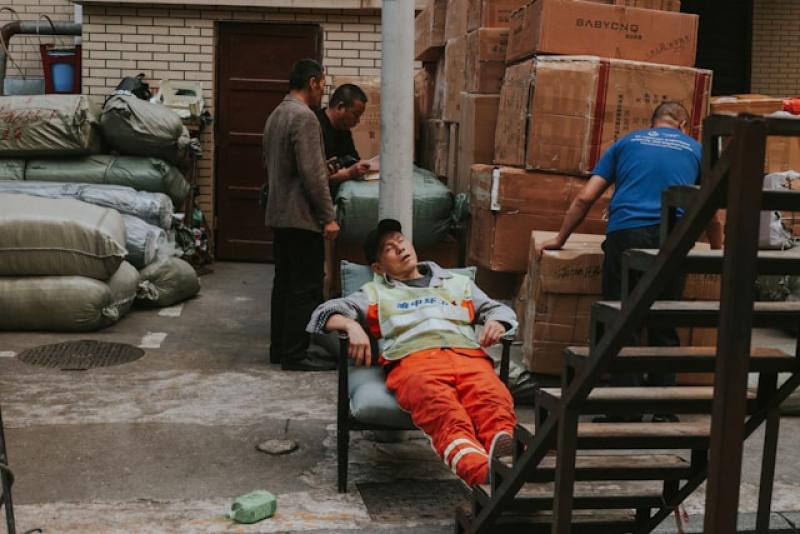
Transport buyers must assess how their own business models – including pricing, contractual terms, scheduling, targets and management systems – produce excessive working hours, insufficient rest and unsafe work organisation. Commercial decisions must not incentivise unsafe work or undermine fatigue management. Limits on working hours and a genuine right to disconnect must apply throughout contracting chains.
Effective prevention depends on engagement with workers and trade unions to identify risks, monitor working time practices and enforce protections and corrective action. Workers must be able to report fatigue and refuse unsafe work without penalty, retaliation or loss of income.