Search
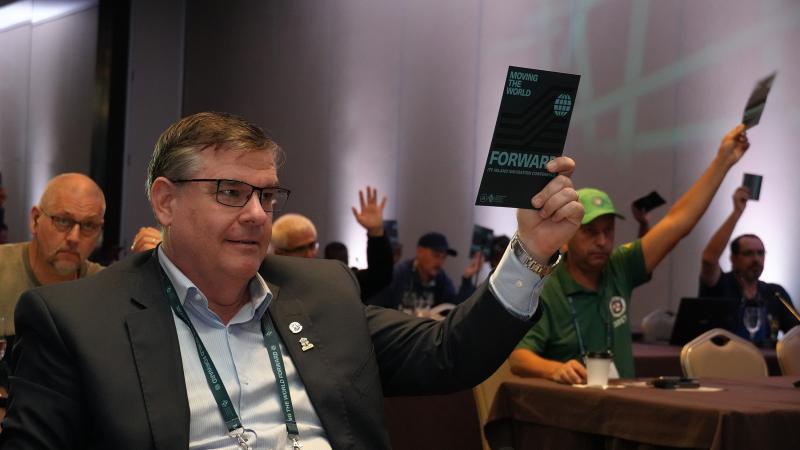
Inland navigation workers stand with Panama Canal workers after death of tug captain
Poor Living Standards
Seafarers do not only work on board – they also live there. Many seafarers are denied the basic necessities for decent living conditions and health and wellbeing, including regular and nutritious meals, drinking water, heating and cooling, light, electricity, or internet to communicate with their
Isolation and Lone Working
Seafarers always work within a crew, yet isolation is particularly pronounced in maritime
shipping. Voyages run up to the Maritime Labour Convention maximum of 11 months. Isolation is matched by confinement, with seafarers working and living in their workplace, under the employer’s control, with
High Mobility Work
Maritime shipping is inherently global and mobile. Seafarers travel from their home
countries to ports of departure overseas, then embark on voyages along global trade
routes across multiple jurisdictions, climates and time zones. The systemic gaps in the protection of seafarers’ human and labour
Workforce Challenges
Attracting, recruiting and retaining adequate workforce levels across some transport sectors has become a persistent challenge. The shortages that follow are driven by a lack of decent work and declining employment conditions, deregulation, weak enforcement, unfair competition and sustained downward
Remuneration
Across transport supply chains, risks relating to remuneration, pay and access to social protection are systemic – closely linked to subcontracting, non-standard forms of employment and commercial pressures. Many remuneration structures, including piece-rate or productivity-based pay do not account