Companies must identify, prevent, mitigate and account for human rights impacts across their value chains. In transport, that duty reaches every worker involved in moving goods and passengers – whether they are directly employed, subcontracted or engaged through an intermediary.
This guidance maps the risks across transport, with specific guidance for maritime shipping, road transport, warehousing and logistics, and fisheries. It follows the six steps of the OECD due diligence framework, setting out at each step what effective Human Rights and Environmental Due Diligence (HREDD) looks like for transport buyers and suppliers.
accountable for conditions in their transport supply chains
with obligations of their own and a role in their client’s due diligence
assessing whether a company’s HREDD is credible
setting and enforcing due diligence requirements
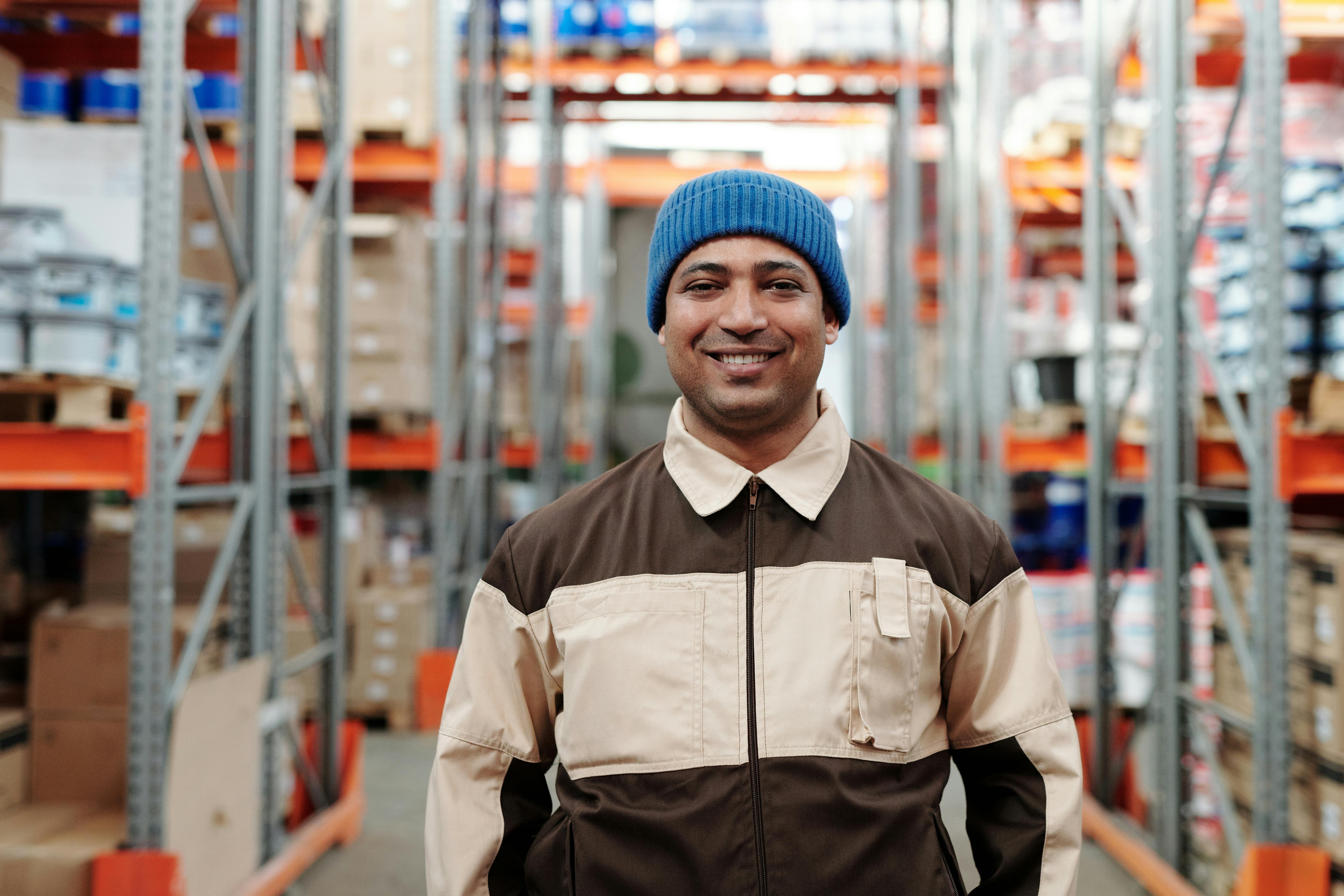
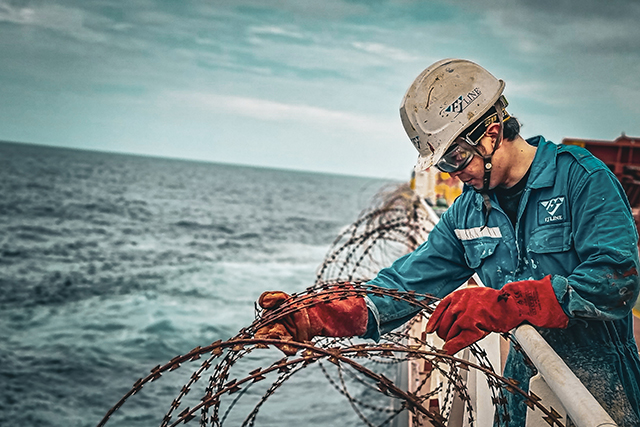
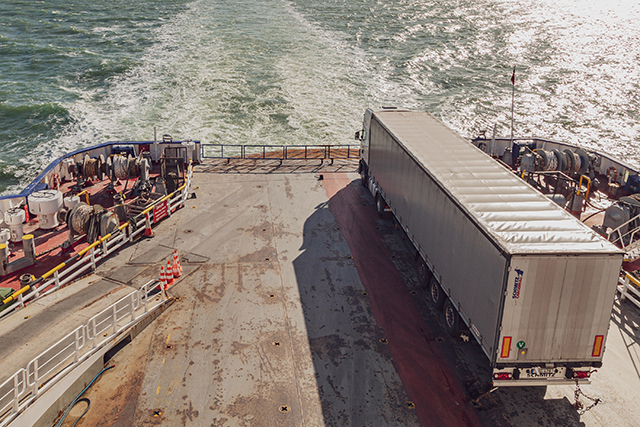
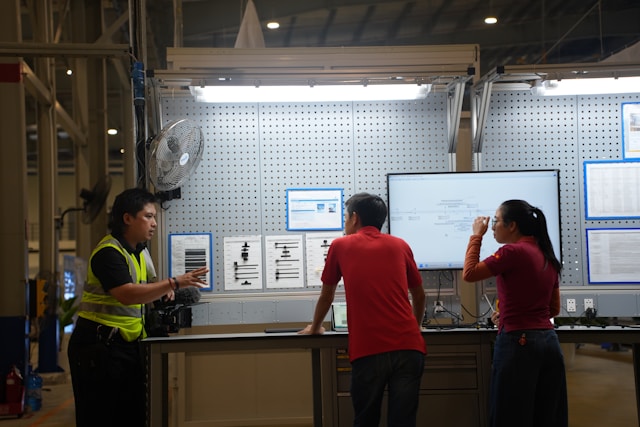
Work with the ITF and our affiliates.
Worker-led engagement is the condition on which effective HREDD depends, and collective bargaining is the mechanism that turns what workers report into enforceable standards.
The ITF represents over 16.6 million transport workers through more than 760 unions in over 150 countries, giving transport buyers and suppliers a unique opportunity to engage with workers through the ITF and our global network of affiliates on strengthening transport-specific policies, risk identification, prevention of the root causes of human rights risks, worker-led monitoring and inspection data, and access to effective remedy.
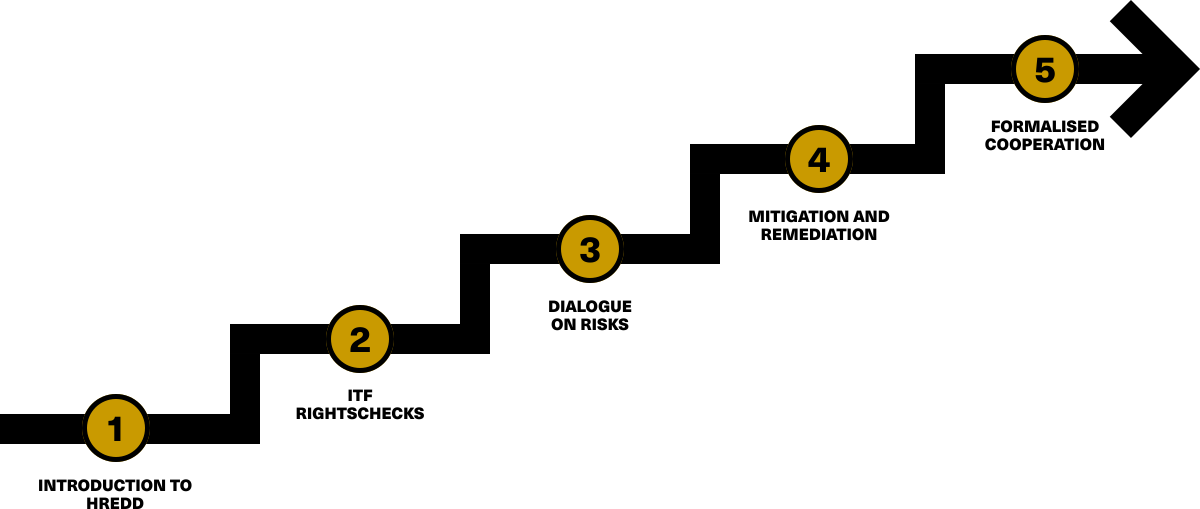
We work with transport buyers and suppliers through introductions to HREDD in transport, ITF RightsChecks, dialogue on risks, mitigation and remediation where harm has occurred, and formalised cooperation with the ITF. See the sector-specific guidance for more detail on how to work with us.
To start a conversation, contact the ITF supply chain team at supplychain@itf.org.uk
For more information on the supply chain, its risks and how to work with the ITF.
ITF Supply Chain Human Rights Guidance: An Introduction
ITF Supply Chain Human Rights Guidance: Fisheries
ITF Supply Chain Human Rights Guidance: Maritime Shipping
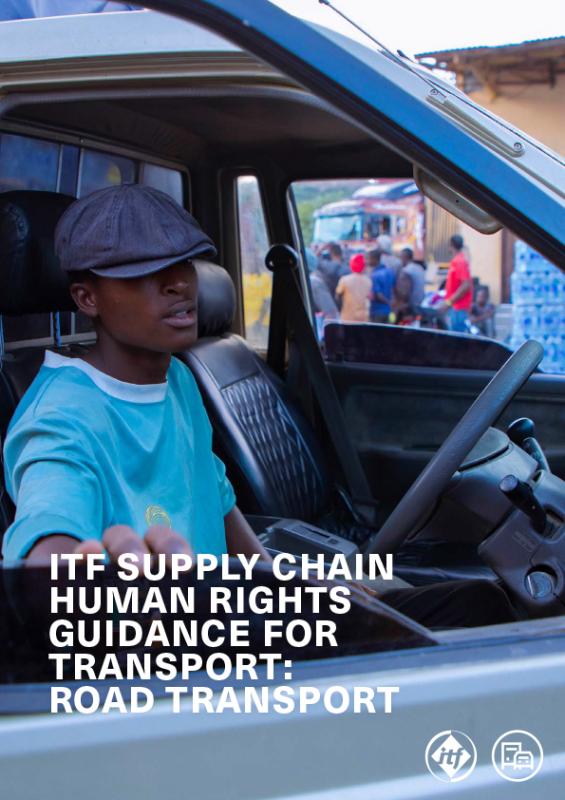
ITF Supply Chain Human Rights Guidance: Road Transport
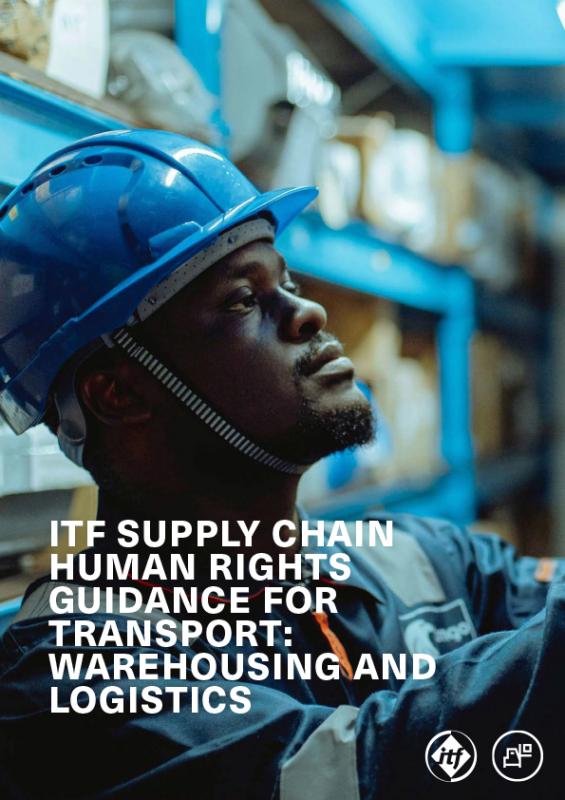
ITF Supply Chain Human Rights Guidance: Warehousing and Logistics
Connected
أخبار
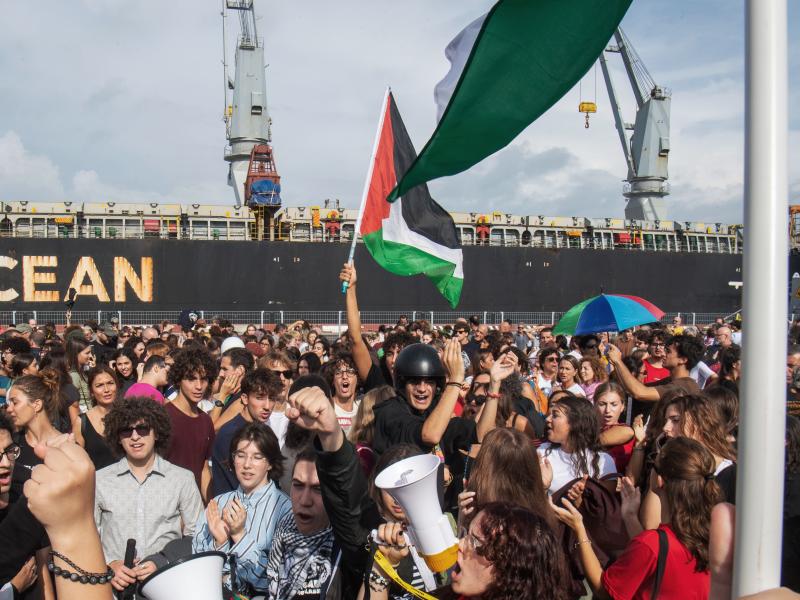
الاتحاد الدولي لعمال النقل (ITF) يقف بثبات إلى جانب تحرّك عمال الموانئ التضامني من أجل السلام وحقوق الشعب الفلسطيني
resources
ميثاق عمال السكك الحديدية ذوو الإعاقة
campaigns