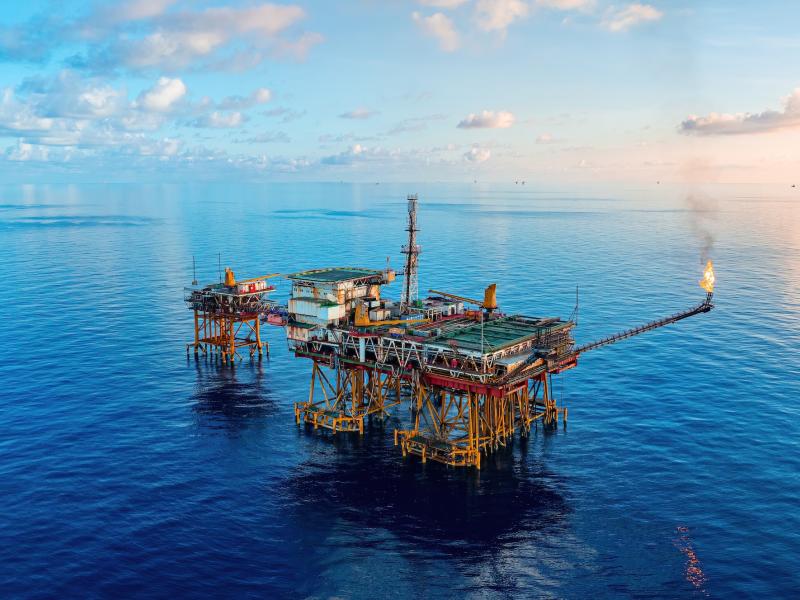
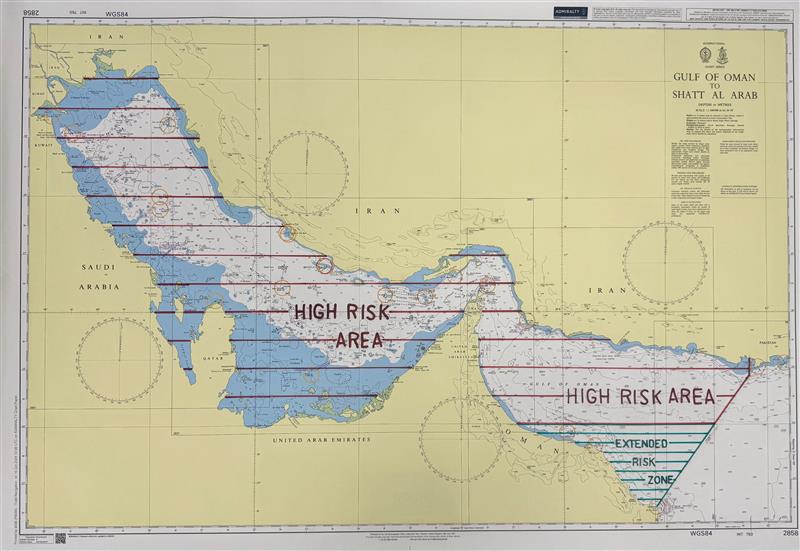
The International Transport Workers’ Federation (ITF) and the Joint Negotiating Group (JNG), as social partners of the International Bargaining Forum (IBF), have today designated the Strait of Hormuz and surrounding waters as a High Risk Area following the sharp escalation of military tensions involving the United States, Israel and Iran, and the widening instability across the region.
This designation reflects the rapidly deteriorating security environment, confirmed reports of attacks on commercial vessels, and the growing risk posed to seafarers. More than 200 vessels are currently anchored in or near the Strait amid significant uncertainty regarding safe transit. The International Maritime Organization has urged maximum caution and advised vessels to avoid the area where possible.
Seafarers are civilian workers. They must never be exposed to military risk or used as leverage in geopolitical conflict. Their safety must come before all commercial considerations.
What the High Risk Area designation means
The High Risk Area designation activates enhanced protection measures for IBF-covered seafarers operating in or near the affected waters. Shipowners and operators must:
- conduct enhanced risk assessments prior to transit;
- provide seafarers with clear, timely information regarding security conditions;
- ensure all contractual, insurance and safety protections are fully implemented; and
- engage with crews and their representatives regarding voyage planning and risk mitigation.
Additionally, the IBF Warlike Operations Area Committee (WOAC) agrees to include into the existing conditions for the designated High Risk Area, the seafarers’ right to refuse to sail into the area.
Ongoing assessment
The ITF and JNG are closely monitoring developments and will continue engaging with each other over the coming days regarding a potential upgrade of the area to a Warlike Operations Area. This designation would activate additional protections for seafarers.
Call for restraint
All parties are urged to respect international law, protect civilian shipping, and take immediate steps to de-escalate tensions. The safety of life at sea must remain paramount.
The ITF and JNG will continue working jointly to assess risks, provide guidance to the industry, and ensure seafarers receive the protection and support they urgently need.
Notes for editors
About the ITF: The International Transport Workers’ Federation (ITF) is a democratic, affiliate-led federation recognised as the world’s leading transport authority. We fight passionately to improve workers’ lives, connecting more than 730 affiliated trade unions from over 150 countries to secure rights, equality and justice for workers globally. We are the voice for more than 16.5 million transport workers across the world.
About the JNG: The Joint Negotiating Group (JNG) allows for the coordination of the views of employers from across the world in the maritime industry. The JNG today consists of the International Maritime Employers' Council (IMEC), the International Mariners Management Association of Japan (IMMAJ), the Korean Shipowners Association (KSA) and Taiwan-based company Evergreen.
About the IBF: The International Bargaining Forum (IBF) is the forum that brings together the International Transport Workers' Federation (ITF) and the international maritime employers that make up the Joint Negotiating Group (JNG). IBF negotiations include both central negotiations and local negotiations which allow for development of core principles which can then be incorporated into specific local arrangements. This unique approach to pay negotiations is the only example of international collective bargaining.