
The Supply Chain Human Rights Guidance is available to download as PDFs. Start with the introduction, which sets out the purpose of the guidance and the core principles behind it, then choose the sector-specific guidance that fits your supply chain.
Download Resources
Resources
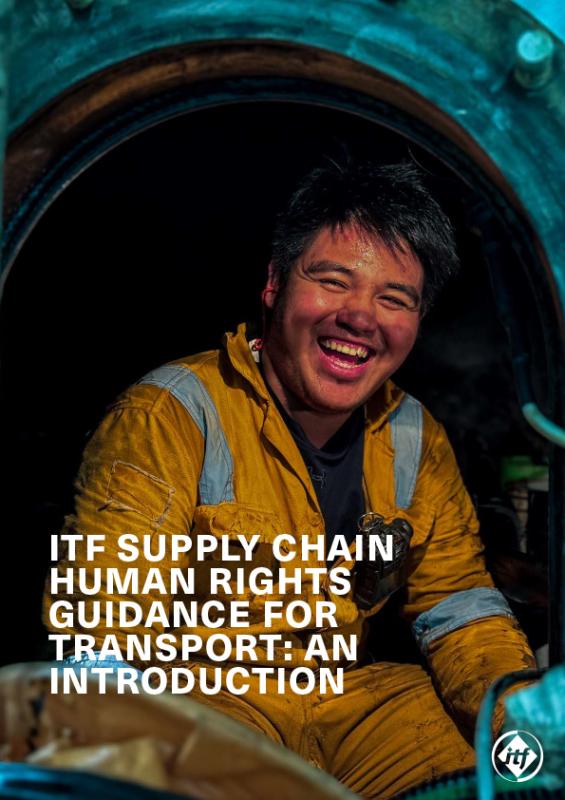
ITF Supply Chain Human Rights Guidance: An Introduction
This is an introduction to the ITF’s supply chain human rights guidance for transport. It explains why HREDD matters, the international frameworks it rests on, and why worker-led engagement and
Resources
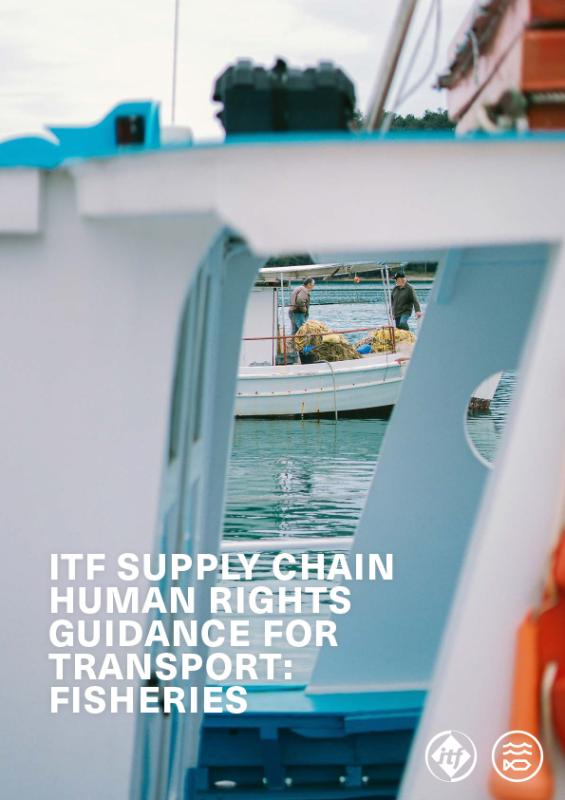
ITF Supply Chain Human Rights Guidance: Fisheries
Fishing is the most dangerous work in the world and a high-risk sector for forced labour and human trafficking. This guide examines why: long periods at sea, migrant fishers recruited through layers

Resources
ITF Supply Chain Human Rights Guidance: Road Transport
Commercial pressure, layered subcontracting and cross-border operations put many road transport risks beyond the reach of audits. This guidance explains how the rates and delivery terms that buyers
Resources
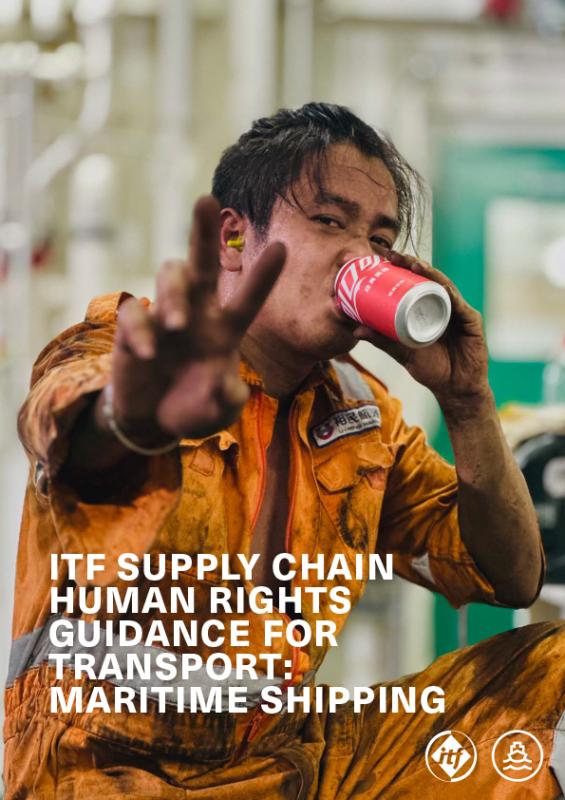
ITF Supply Chain Human Rights Guidance: Maritime Shipping
More than 80 percent of world trade moves by sea, yet seafarers are among the workers most exposed to exploitation. This guidance looks at the specific and systemic risks in shipping, including Flags
Resources
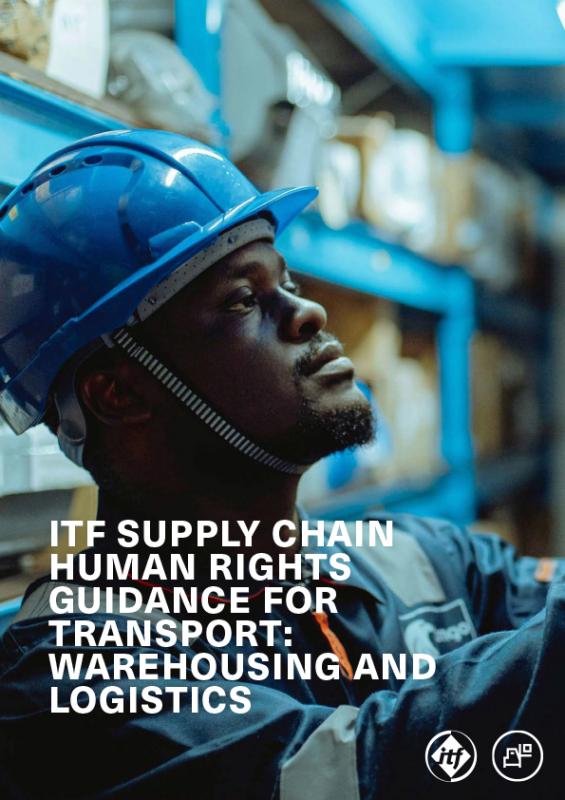
ITF Supply Chain Human Rights Guidance: Warehousing and Logistics
Warehouses are now fast-paced environments where workers are easily exploited and largely unseen. Drawing on the ITF Warehousing Principles, this guidance covers the risks created by insecure work