
Fishing remains one of the most hazardous occupations in the world, with an estimated 34,000 fishers dying at work every year according to the UN’s Food and Agriculture Organization (FAO).
Fishers face a combination of physical, environmental and psychosocial risks, and prevention requires robust occupational safety and health management systems, safe crewing levels, adequate rest, emergency preparedness, training, access to healthcare and meaningful worker participation in safety processes.
ILO Convention 188 requires minimum hours of rest, medical care aboard and access to medical treatment ashore. Enforcement depends on the flag state — and on a vessel that never makes port, there is no port state to inspect it.
Explore risks
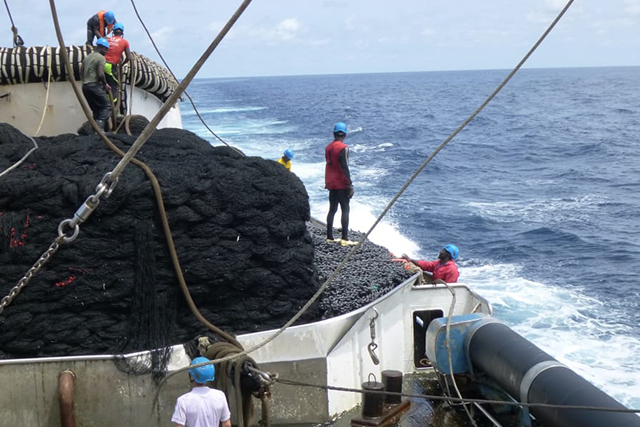
Fatigue, working hours + work organisation
Fatigue in fisheries is created by how work is organised and commercially driven. Catch-share and productivity-based pay tie earnings to landings, so crews work longer and harder and rest is sacrificed.
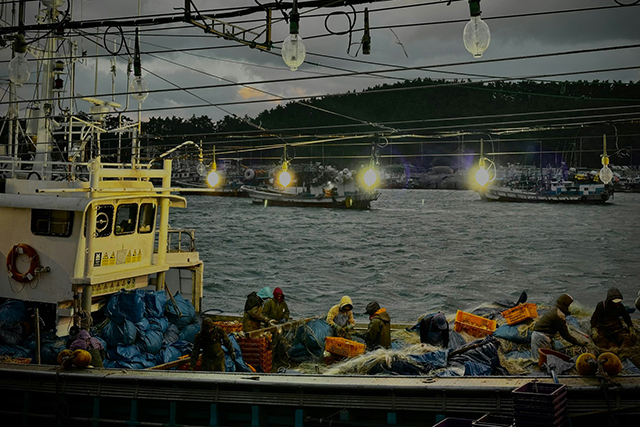
Exposure to hazardous substances, biological risks
Biological hazards, including infectious disease, are compounded by prolonged periods at sea, crowded living conditions aboard and limited access to healthcare.
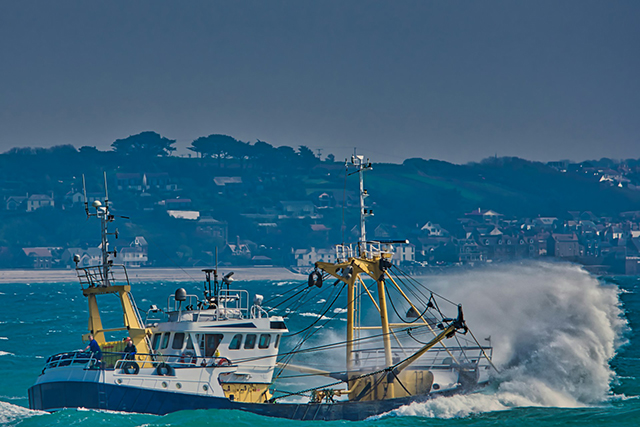
Climate-Related Risk
Direct risks include increased exposure to storms, extreme weather events, heat stress, injury and illness.
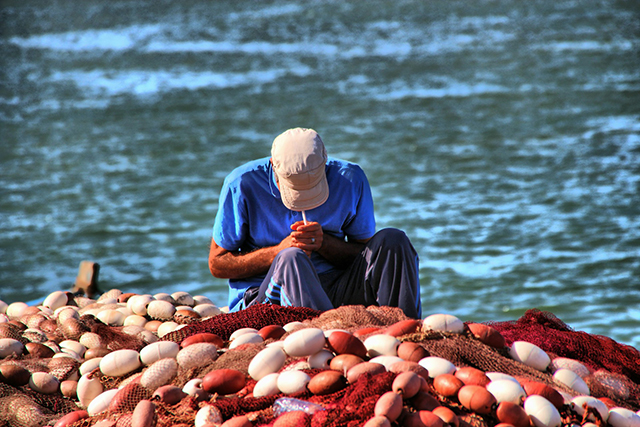
Mental health + psychosocial risk
Fishers work in isolated, confined environments for extended periods, separated from family and support networks.
Go deeper
For more on occupational safety and health, see the Risks Across Transport guidance