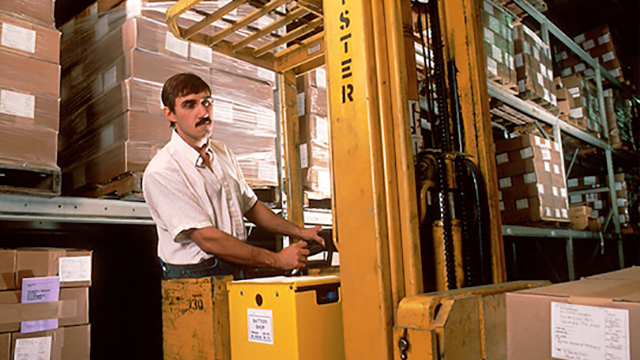
Warehouse work is increasingly shaped by complex supply chains, where subcontracting, precarious employment and lone working create distinct risks for workers. The ITF Warehousing Principles highlight that rapid growth in e-commerce and just-in-time delivery has driven widespread outsourcing and short-term contracts, resulting in insecure jobs, low pay and limited social protection.
Subcontracting and fragmented employment relationships can obscure responsibility for working conditions, making it harder to ensure consistent standards across sites. Workers engaged through agencies or informal arrangements may face unstable hours, unpredictable income and reduced access to rights or grievance mechanisms.
At the same time, warehouse work is increasingly individualised, with some roles involving lone working or highly monitored environments driven by algorithmic management. This can reduce opportunities for support, increase pressure to meet targets and heighten safety and psychosocial risks.
Together, these factors can weaken job quality and transparency, while posing operational and reputational risks across global supply chains.