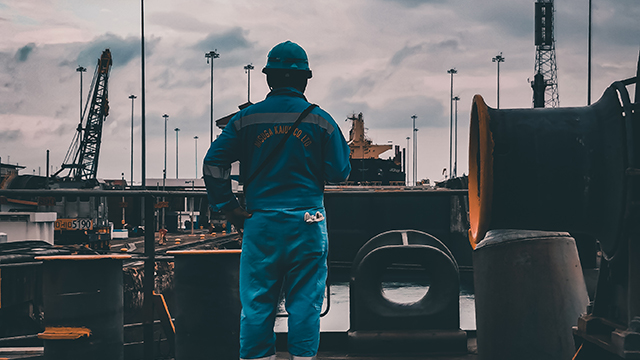
The MLC includes many provisions for a healthy and safe environment on ships, including the maximum length of time on board, the right to shore leave, the right to medical treatment, the crewing of ships, and the standards of accommodation and food.
There are a range of occupational safety and health risks associated with the living and working conditions of seafarers. The potential human, environmental and biodiversity costs of accidents at sea are notably severe, and include fatigue and exhaustion, mental health and wellbeing.
ILO Convention 155 empowers workers to remove themselves from a situation of imminent and serious danger to life or health without suffering consequences, such as blacklisting. ITF Agreements reflect this by providing seafarers with additional rights and protections around voyages to conflict zones.